





Cheap pet insurance
Top tips for cutting the cost of pet insurance

With mortgage, rent, energy and food costs soaring, it's easy to cut or forgo a spend such as pet insurance. But this can lead to difficult choices for many if treatment is needed, as there's no NHS for pets, and treatment costs can be £100s or £1,000s. This guide explains what pet insurance covers, what to watch out for and how to find a cheap policy.
1-min read on finding cheap pet insurance
Here's a quick lowdown if you know what you're doing and just want to find a cheap policy – alternatively, if you need a bit more help, you can read our full guide below:
1. Have a cat or dog? Check comparison sites to benchmark the cheapest price. Comparison sites don't all cover the same insurers, so try as many as you've time for. Try MoneySupermarket*, Compare The Market* (doesn't give multi-pet quotes), Confused.com* and Gocompare.
2. Then get quotes from direct insurers and find MSE exclusive deals. Try Direct Line and Petplan*,as you won't find them on comparison sites. You also won't see some special cat/dog insurance deals – see hot deals comparisons miss.
Insuring a different pet? There are no easy comparison sites for other pets, but you can insure your rabbit, budgie, guinea pig, horse, parrot, reptile or exotic pet.
What is pet insurance?

Having pet insurance in place means that your furry, scaly, slimy or feathered friend would be covered in the event that it needed medical treatment for an injury or illness – and would mean you could recoup some or all of the cost of the vet's bill.
Plus, a pet insurance policy will usually include liability cover (in case your pet causes an accident and you are held responsible) and loss or theft cover, but this does depend on the type of policy, and level of cover.
Over half of UK households own a pet, and the average cost of pet insurance has been rising along with the increasing cost of treatment. Treating long-term conditions – such as arthritis or diabetes – can cost £1,000s, as can treating a pet that's been injured in an accident.
Unlike with car insurance, it's not a legal requirement for you to insure your pet. Just remember, though, that if you choose not to and something unexpected happens, you could be left with some very difficult decisions to make.
What types of pet insurance can I get?
The different types of pet insurance can typically be split by the level of cover you want, ranging from a more basic policy, usually with a 12-month treatment time limit, to more comprehensive lifetime pet insurance. The names for the different tiers of insurance can vary by insurer, but generally these are the main types:
Lifetime pet insurance: This is insurance designed to cover your pet for its whole life, as long as you renew each year and don't cancel the policy. It's typically the most comprehensive and therefore most expensive type of insurance. You'll normally be covered for vet bills and treatments relating to any injuries or illnesses up to an annual limit.
Insurers typically won't offer policies for pets with existing health conditions, meaning if your pet has a chronic condition (in other words, a long-lasting one) and isn't insured, you could struggle to get cover. However, if you get a lifetime insurance policy while your pet is young, as long as you continue to renew with the same provider, your pet will be covered for any longer-term or chronic conditions it may develop.
Accident only: This type of insurance covers you up to a set amount each time your pet requires emergency treatment due to an accident. Definitions of what treatment and what type of accident can vary across providers, so make sure to check the policy wording. It's the most basic type of cover and therefore usually the cheapest. Just note that the cover is limited – you likely won't be covered if your pet gets sick, for example.
Time limited: This type of policy kicks in when your pet's symptoms start, and usually lasts until your monetary allowance runs out OR for 12 months (whichever happens first). After that, your pet won't be covered for that condition any more, or if it recurs later.
This is short-term insurance and limits the payout an insurer could need to make, and is therefore usually cheaper than lifetime cover.
Maximum benefit: This gives more mid-level cover where you get a fixed amount for each illness or injury that your pet suffers. It's also not time limited, so you can renew your policy each year. Once your per-condition allowance runs out, you can no longer claim for that condition – this does not reset each time you renew. This can be useful for the routine knocks and illnesses that your pet might experience during its life, but you may find your per-condition allowance is used up quickly if your pet develops a long-term condition or requires an expensive procedure, such as an operation.
What is multi-pet insurance?
You can often insure multiple pets under the same policy. You'll still choose the type of insurance you want for your multi-pet policy from the options listed above, and all your pets will get that same level of cover. Some insurers will also offer you a discount for doing so, which can make it cheaper than getting multiple individual policies. Read more on multi-pet insurance policies below.
How much does pet insurance cost?
It's hard to say exactly how much it'll cost to insure your pet, as it depends on many variables including the type of animal and its breed. According to insurance industry body the ABI, the average annual cost of pet insurance in 2023 was £389, but again you could find yourself paying less (or significantly more) depending on your pet and the cover you need.
To find the best price for you and your pet, it's crucial to gather as many quotes as you can from as many different comparison sites and insurers as you can, and pick the cover level and price that most suits your circumstances.
Below, we go through the best process to get the cheapest pet insurance for cats and dogs, small animals, horses and exotic pets.
What affects the cost of pet insurance?

Insurers will consider many factors about you and your pet(s) when they calculate your quote.
They don't have to reveal this process, so we can't know exactly what they take into account, but broadly they base the final figure on how risky they perceive you to be and how likely they think you are to make a claim on the policy.
Some of the factors that might affect the cost of your insurance include:
Pet's health and medical history: This can have a big impact on your insurance. Providers will typically exclude 'pre-existing conditions' from cover, so if your pet has ongoing or historical health issues, you won't be able to claim for treatment. There are some specialist insurers that can cover existing conditions, but this is rare and will likely be more expensive.
Pet's age: The older your pet gets, the more likely it is that it will develop longer-term health problems. So usually, the older the pet, the more expensive the insurance. Some insurers also have maximum age caps that vary depending on the animal insured (meaning they won't insure animals above a certain age).
Pet's breed: You might find that insurance is more expensive for certain breeds. This is because of factors such as varying life expectancy and certain breeds being more likely to develop hereditary health conditions, or being more susceptible to certain illnesses or injuries.
Where you live: Vet fees vary widely across the country. If you live in an area where vets typically charge higher fees, this will likely be reflected in your premium.
Nine pet insurance need-to-knows
The UK pet population has comfortably exceeded 20 million, and it's estimated that over half of households have pets. Yet far too many owners risk hefty bills by not having insurance.
And even if you've got plenty of cash stashed away for emergencies, insurance can often work out cheaper (if you need to claim). So before you buy, here are nine things you should know...
Not insuring your pet could end up costing you £1,000s – think how you'd pay if you didn't have cover
Vet fees are often expensive, and can quickly add up – an X-ray can cost over £300 and chemotherapy can hit £5,000. So it's no surprise MoneySavers have faced eye-watering bills for their pet's treatment...
My cat has had £10,000 worth of treatment in the past two years, all paid for by insurance. He would be dead now if I hadn't had insurance. Debbie, via Facebook
When our cat fell ill last summer the bill shot up to £3,000 in less than 48 hours. Every penny (aside from the excess) was reimbursed by our insurer. Ruth, via Facebook
The question is – could you afford to pay for vet fees at the drop of a hat by not having insurance? If not, it's something you should strongly consider.
Self-insuring via a savings account can be an option – but comes with the risk of big vet bills
Self-insurance is where, instead of paying premiums, you regularly put money away yourself, so if your moggie or doggie gets poorly, there's money to pay for it.
To earn some interest, put money in an easy-access or a regular savings account each month to pay for any potential pet emergency. Of course, if there are no problems, you get to keep the cash. However, there are two big dangers to consider:
-
The problem strikes before you've built up cash: Self-insurance relies on having enough cash to hand when the vet needs paying. The risk here is if your pet needs expensive treatment before you've saved enough, it could mean you get into debt or face the sad choice of putting your companion down. Another option is to go for a policy with a high excess and ensure you save enough money to cover it should you have to make a claim.
-
You get sued: Dogs aren't covered for public liability without insurance, so if Rex causes a car accident, and the driver sues, you'll be liable for the cost. This may be covered on your home insurance but quadruple-check this before taking the risk. Cats are considered 'free spirits' by law and so, as an owner, you're not legally responsible for their actions.
You could consider liability-only cover for dogs
A halfway house for dog owners is to become a member of the Dogs Trust. The charity offers third-party only cover among its perks for a £25/year membership fee (it's £750 for life membership), or £12.50/year if you're over 60. Anybody over the age of 18 can become a member.
This covers you up to £1 million for any damage or injury caused to other people, their property or pets by ALL the dogs you own (though if you own a breed deemed to be a 'dangerous dog', it's very likely to be excluded).
Bear in mind £1 million is a low amount compared with most cover levels for personal liability – if people sue for loss of earnings due to life-changing injuries, the amounts can snowball fast.
Note: Dog's Trust will be removing third-party public liability insurance from Companion Club new memberships/renewals from 30 June 2026. If you use this cover to meet requirements for exemption for banned breeds, the Government has advised that it will be in contact with owners of exempted dogs in June with next steps. Read more about the changes on the Dog's Trust website or the Government website.
Pet insurance is there to cover serious issues, not regular check-ups or vaccinations
As a rule of thumb, and it does depend on your individual policy, pet insurance covers the big, non-routine costs, including:
-
Broken bones/injuries from accidents
-
Many illnesses, from cancer to asthma, skin infections to bone diseases and arthritis
-
Third-party liability cover
-
The cost of advertising and a reward if you fall victim to dog/cat-napping
What does pet insurance usually exclude?
Your pet likely won't be covered for the following:
-
Routine injections such as flu, tetanus, parvovirus, annual boosters
-
Routine check-ups
-
Worming treatments
-
Anti-flea medications
-
Whelping costs
Typically, you also won't be covered for pre-existing conditions if switching to a new policy, though ongoing problems should continue to be covered by your current insurer.
There are exceptions to what each pet insurer will pay out for, so it's important to check the small print when taking out a policy.
If you're on benefits, you MAY be able to get free vet treatment for your pet
Pet insurance, or self-insuring by putting money aside in a savings account, could prove expensive if you're short on cash. However, charities such as the PDSA, Blue Cross and the RSPCA may be able to help.
These charities offer free or subsidised vet care for pets whose owners are on certain means-tested benefits, among other criteria. As charities, though, they rely on donations to continue their work and some, such as Blue Cross, actively ask for a contribution towards costs.
To see if you could benefit from charity help, check eligibility criteria from the PDSA, Blue Cross and the RSPCA.
You can't get insurance for some pets, eg, 'aggressive' dog breeds or those with hereditary conditions
Dog breeds deemed to be more aggressive than others often can't be insured, such as pit bulls, Japanese tosas and Brazilian mastiffs. If your dog was crossed with any of these, it won't qualify.
From 1 February 2024, it became illegal to own an American bully XL in England and Wales without having a Certificate of Exemption. This ban was extended to Scotland on 31 July 2024. See the Government's website for more information and advice on how to apply for exemption.
It's also difficult to get standard pet insurance for pets used for commercial purposes, such as racing, hunting or farming.
And if you do have a pet with a behaviour issue – usually caused by a mental or emotional disorder – some policies will pay for treatment, which can include therapy for your pet.
It is also worth knowing that if you've a posh pooch, certain pedigree breeds are more likely to develop hereditary conditions. For example, some suffer from weak joints or hips due to generations of being inbred, and can require regular support and treatment.
Some policies specifically exclude treatment for hereditary conditions, so check to see whether this is the case. Many insurers also exclude conditions animals are born with.
As a rule, pedigree owners pay more as insurers factor in their tendency to run a higher risk of long-term conditions, plus their heightened appeal to pet burglars. Never lie about your pet's origins to save money on monthly premiums; declaring a dog a mongrel when it's anything but can void your policy and see any potential claims being rejected.
If your pet has had medical issues, beware switching to a new policy as they may not be covered
When you take out a new policy, most insurers won't cover your pet for pre-existing conditions, whether that's a chronic problem that they need regular treatment for, or for recurrences of or complications from historic injuries or illnesses.
So if you're still claiming for a particular treatment on your current insurance policy, and haven't yet hit the maximum amount or 'length of time' payout, or you have a top-end 'lifetime' policy which does not have these exclusions, you may be better off staying put.
However, you can still switch to a new insurer as long as you're prepared to accept your pet won't be covered for the ailment it's already been treated for.
For example, say your dog suffers cataracts in both eyes and is cured, with the treatment covered by your existing insurer. The cost of the cataract treatment may well have reached a specified limit but this won't stop you from switching away to a cheaper policy with the same T&Cs as your existing insurer – just be aware that your new insurer will now treat the cataracts as a pre-existing condition, and will exclude it, so won't provide cover if there's a recurrence.
You may also decide the cost of the existing policy is now so high, you are prepared to take the risk of switching to a cheaper policy and hoping the old injury or illness does not reoccur. If you do choose to change insurer where you cancel your existing policy and start a new one, be aware that:
- There's often an admin fee.
- If you've made a claim in the current insurance year, you'll not be entitled to any refund if you paid in full.
- If you are paying by instalments, the insurer usually want the remainder of your monthly premium paid to it, and may take this from any claim settlement before the claim is paid.
And remember, it’s important to declare all pre-existing conditions – even if your new insurer is likely to exclude them – to avoid the chance of invalidating your policy.
Getting cover for older pets is harder, will cost more and you'll usually foot more of any vet's bill yourself
The older your pet, the pricier it becomes, and some policies start to impose an upper age limit as well as additional contribution costs (known as 'co-payment' in the insurance world) should you make a claim.
Here are three main things to look out, and be aware of:
-
Ageing pets cost more to insure. The age, combined with the breed, of your pet affects the price you need to pay. This information helps the insurer calculate the likelihood of your pet becoming ill, or picking up an injury. And as that increases with age so does the cost of insuring your pet.
-
It's harder to get cheaper cover for an old pet as there is less choice of policies. Once your pet hits a certain age – which varies from insurer to insurer, and depends on your pet – you might have trouble switching policies. For example, many insurers will say a cat or dog needs to be nine years old or younger when your policy starts with them, meaning you're then stuck with your current insurer.
-
A claim's payout may not be as comprehensive as you thought. This is not something that is always made easy to read in a policy. Not only are you expected to pay more for the insurance once your pet gets older, many policies also state you must pay 20% of any treatment cost – on top of the excess – once your dog or cat reaches a certain age.
For example, if you have a £500 vet's bill, you may be asked to pay 20% of the bill (£100) because of the age of your pet, on top of the policy excess (for example, £100) – meaning your contribution has doubled from £100 to £200, and almost half of the bill.
If you have one of these clauses in your policy, your share of the 'co-payment' can turn very costly, very quickly.
It is therefore important you scrutinise the small print of the policy as the co-payment condition is usually found in the main body of the policy document instead of next to the excess that appears on your schedule.
Typically the higher the excess (the amount you pay towards treatment), the lower the cost of cover
Changing the excess you pay – the amount you immediately contribute towards any claim – can typically cut the cost. Pay a higher excess, and your willingness to foot a greater part of the bill means the insurer will reward you with a lower premium.
To decide on your excess, consider how much it would have to cost you before you were happy to claim on the policy. If you wouldn't bother claiming for less than £200, for example, choosing a £50 excess is pointless.
Multi-pet policies could be cheapest, but always check single policies too
Many insurers often offer a 5% to 10% discount if you insure two or more cats or dogs at the same time (on a so-called multi-pet policy). However, don't let it stop you looking for a better, cheaper policy elsewhere. After all, 10% off is no good if you can get two individual policies elsewhere for 12% less.
Three comparison sites, MoneySupermarket*, Gocompare and Confused.com*, will let you get quotes for multiple pets. They also allow you to combine cats and dogs on to one policy, and include any multi-pet discounts. You won't be guaranteed the cheapest premium doing this, but it'll help make life easier to compare against individual policies.
You can also go direct to the following insurers which give multi-pet discounts – Argos, Direct Line, More Than and Petplan. Then use our full comparison system outlined below for each pet to compare the overall cost.
How to get cheap pet insurance
The route to finding the cheapest policy varies according to the type of pet you have, so we've split the following into four categories.
Dog and cat insurance
Cats and dogs are the most common pets, plus the simplest to insure as policies can easily be compared on mainstream sites.
Step 1: Get quotes from multiple comparison sites
The trick is to use more than one comparison to find your cheapest, as they search different insurers and sometimes have different prices for them.
We've ranked the comparison sites based on the number of insurers they compare, though it's best to use as many as you've time for.
Site | Official perk info & MSE analysis |
|---|---|
Try as many as you can, in this order... | |
| It returned the highest number of providers for us in our research and can give quotes for up to seven pets on combined policies. See our full |
| It doesn't offer multi-pet policies, though if you buy through it, you qualify for its special offer: a year's 2for1 on cinema tickets and meals on selected days of the week. |
| Can give quotes for up to seven pets on a policy. |
| Can give quotes for up to six pets on one policy. |
Then, to boost chances of finding a cheap quote further, try... | |
It's another comparison site, and you'll also get access to Rewards+ within 60 days of buying a policy. | |
A big name pet insurer you won't find on comparison sites. | |
Another insurer you won't find on any comparisons. | |




Step 2: Check hot deals not on comparison sites
Next, see if these special deals can beat your cheapest quote. Do note we don't have a huge amount of feedback on these providers, so if you use them, please use the links at the bottom of the table to let us know your experiences...
| £45 to £65 Amazon voucher per pet insured. Buy a new cat or dog policy via our Waggel* link by 11.59pm on 11 June 2026 (must be a new quote, not a saved one), and you'll get a £65 Amazon voucher per dog policy purchased and a £45 Amazon voucher per cat policy purchased. The voucher will be emailed around 90 days after the policy start date. |
| £45 to £105 Amazon voucher. New customers who buy a cat or dog policy via our Petgevity* link will get emailed an Amazon voucher within 90 days of their policy start date. The value will depend on the pet(s) you insure: £45 for a cat, £60 for a dog or £105 for a multi-pet policy. |
| £40 to £155 Amazon voucher. Take out a new policy via this Agria* link and you'll be emailed an Amazon voucher within 120 days – you've then 60 days to claim it. The value will depend on the pet(s) you insure: £40 for a cat, £75 for a dog, £100 for a cat and a dog, £125 for two dogs and £155 for three dogs. |
| £35 Amazon voucher. Take out a new dog or cat insurance policy (which cannot be its basic accident-only cover) via this Animal Friends* link and you'll be emailed a £35 Amazon voucher (from Animal Friends) within two weeks of having had your policy for three months. Insuring multiple pets? You can currently get higher multi-pet cashback deals at TopCashback and Quidco, though check the terms and conditions as they may differ from ours. |

If you've used Agria, Animal Friends, Petgevity or Waggel and have feedback to share, please do let us know by clicking on the company name.
Step 3: See if you can get cashback on top of the cheapest quote
Cashback sites sometimes offer a cash incentive to buy a policy via them, which can beat the sites above. However, always check your quote, as you may not get exactly the same prices as you would from comparison sites, and be mindful that cashback isn't 100% guaranteed as sometimes it doesn't track or isn't paid out. There are two routes to try...
Route 1: Use a cashback site comparison. Quidco Compare* is a price comparison tool that lets you compare cat and dog insurance policies – and you can earn cashback when you buy from any of its parnters. Topcashback* also has a comparison tool, where you can get up to £27 when buying a cat, dog or rabbit policy.
is a price comparison toolRoute 2: Find your cheapest insurer then go via a cashback site. Once you know your cheapest insurer, try checking what cashback you'll get through Quidco* and Topcashback*. Always choose the right insurer first, then look for cashback. Don't look for the biggest cashback then choose the insurer.
Our Top cashback sites guide has full information on how these sites work.
Step 4: Always check the policy carefully before buying

After you've found the cheapest quote that suits your requirements, it's crucial you double-check the quote directly on the insurer's own website. To speed up searches, some comparison sites can make assumptions, which may not fit your profile.
If you buy the wrong policy and it doesn't provide the cover you thought it did, you could be faced with the awful decision of losing a pet or find yourself getting into expensive debt.
Small pet insurance, such as for rabbits & guinea pigs
There are no comparison sites for all these pets, so it's a question of elbow grease and getting the quotes yourself.
Yet before you start – while it's not a pleasant thought – given the type and cost of animals in this category, it's worth considering in the cold light of day what your attitude would be if it became ill, no insurance was in place and you had to make a decision about putting the animal down. An alternative here is self-insurance.
Step 1: Get quotes direct from specialist insurers
We've listed a few sites to check – try as many as you can if you're looking to insure a small animal that isn't a cat or a dog, and one that you wouldn't expect to be considered 'exotic' – see our section on exotic pet insurance if this is what you need.
Insurer | More information |
|---|---|
For a wide range of pets. Includes gerbils, guinea pigs, hamsters, hedgehogs, mice, rats and more. It offers a 10% discount per policy if you insure more than one pet, though you'll need to call for it to be applied. | |
Also for a wide range of animals. Despite its name, it gives quotes for a wide range of not-so-exotic pets, including rabbits, guinea pigs, chinchillas, gerbils, ferrets, birds and more. | |
For rabbits. A big name pet insurer, plus buy online for a 10% discount. | |
For rabbits. Also, Nectar card members can get a discount depending on Sainsbury's supermarket and/or Sainsbury's Bank transactions. |
Please tell us about your experiences with the insurers above, or if you've found other insurers to be helpful.
Step 2: See if you can get cashback on top of the cheapest quote
Once you know your cheapest insurer, try checking if it offers any cashback if you buy the policy via Quidco* or Topcashback*. Always choose the right insurer first, then look for cashback. Don't look for the biggest cashback then choose the insurer.
Cashback sites sometimes offer a cash incentive to buy a policy via them, which can beat going direct to the sites above. However, always check your quote, as you may not get exactly the same price, and be mindful that cashback isn't 100% guaranteed, as sometimes it doesn't track or isn't paid out. Our Top cashback sites guide has full information on how these sites work.
Step 3: Always check the policy carefully before buying
After you've found the cheapest quote that suits your requirements, it's crucial you double-check the quote directly on the insurer's own website. To speed up searches, some comparison sites can make assumptions, which may not fit your profile.
If you buy the wrong policy and won't be getting the cover you thought you did, you could be faced with the awful decision of losing a pet or find yourself getting into expensive debt.
Horse insurance
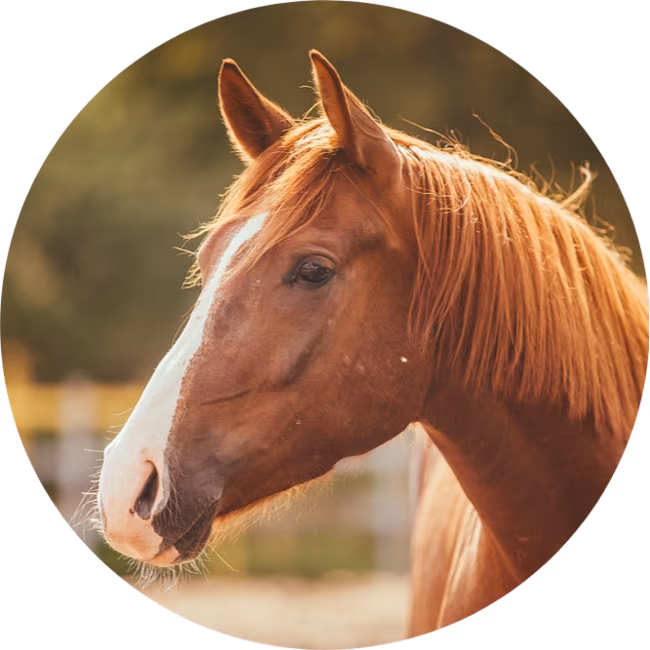
Sadly there are no comparison sites for equine insurance, but trot this way to discover how to find cheap quotes by going direct.
Step 1: Get quotes direct from specialist insurers
We've listed the top insurers and brokers below, so try as many as you've time for.
Insurer/broker | More info |
|---|---|
These are our top picks for insurers to try | |
It provides cover for the horse and public liability, plus options to cover trailers, horseboxes, riding harnesses and so on. | |
Part of big name pet insurer Petplan. It offers different policies for younger or 'veteran' horses and ponies. | |
Many MoneySavers have reported good experiences – it covers horses (including veterans) and is worth a check. | |
Offers tailored cover with a comparison table of its products. | |
By becoming a 'gold member' you will automatically be covered for up to £30 million of public liability cover and various levels of personal accident cover. | |
The following insurers have also been suggested by users. While we've not thoroughly checked them out, they are Financial Conduct Authority-regulated. If you try them, let us know how you get on. | |
Please tell us about your experiences with the insurers above, or if you've found other insurers to be helpful.
Step 2: See if you can get cashback on top of the cheapest quote
Once you know your cheapest insurer, try checking if it offers any cashback if you buy the policy via Quidco* or Topcashback*. Always choose the right insurer first, then look for cashback. Don't look for the biggest cashback then choose the insurer.
Cashback sites sometimes offer a cash incentive to buy a policy via them, which can beat going direct to the sites above. However, always check your quote, as you may not get exactly the same price, and be mindful that cashback isn't 100% guaranteed as sometimes it doesn't track or isn't paid out. Our Top cashback sites guide has full information on how these sites work.

Step 3: Always check the policy carefully before buying
After you've found the cheapest quote that suits your requirements, it's crucial you double-check the quote directly on the insurer's own website. To speed up searches some comparison sites can make assumptions, which may not fit your profile.
If you buy the wrong policy and it doesn't provide the cover you thought it did, you could be faced with the awful decision of losing a pet or find yourself getting into expensive debt.
Exotic pet insurance, such as for parrots, snakes & pigs

From skunks to sugar gliders and possums to pot-bellied pigs, you'll need to try a specialist provider – in particular, to protect against burglars targeting rare or valuable creatures.
If you've a python worth £600, for example, pay extra special attention to what gets paid out on death or theft. If you have a tarantula, and like to show it off, perhaps consider third-party insurance in case it sunk its fangs into one of your guests. Or then again, ensure the tank is very secure (Martin's sister wishes she'd taken this advice!).
Get quotes direct from a specialist insurer
The insurers below are the only ones we've seen offering to insure the more weird and wonderful varieties of animal.
Insurer | More information |
|---|---|
Cover for lizards, snakes, exotic birds, tortoises, small mammals and birds of prey. It offers a 10% discount per policy if you insure more than one pet, though you'll need to call for it to be applied. | |
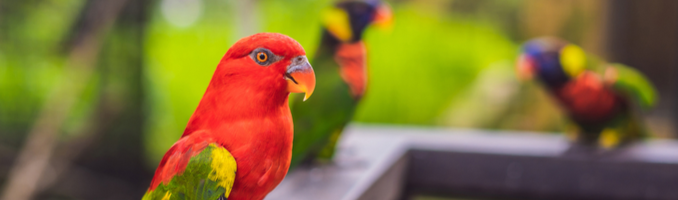
Covers a huge array of out-of-the-ordinary critters, including parrots, cockatoos, snakes, lizards, terrapins, vultures, pot-bellied pigs and loads more. |
Please tell us about your experiences with these insurers and let us know about other insurers you've used.
How to complain about your insurance provider
The insurance industry doesn't have the best customer-service reputation and while a provider may be good for some, it can be hell for others.
Common problems include claims either not being paid out on time or at all, unfair charges, or exclusions being hidden in small print. It's always worth trying to call your provider first, but, if not, then…
You can use free complaints tool Resolver. The tool helps you manage your complaint, and if the company doesn't play ball, it also helps you escalate your complaint to the free Financial Ombudsman Service.
Pet insurance FAQs
Should I get my pet chipped?
It's compulsory to have any dog over the age of eight weeks microchipped in the UK. It also became a legal requirement in June 2024 to have any cat aged 20+ weeks microchipped in England.
Failure to comply can land you with a £500 fine and more trouble with the law.
Microchipping also helps owners get reunited with lost pets. A scannable chip is inserted under its skin, then registered. It means the pet can be returned to its owner if it gets lost and is then found.
This usually costs £10 to £30 per pet, but you may be able to get your mutt microchipped for free via a Blue Cross centre or even by some councils.
Similarly for cats, occasionally local charities offer a free service or host events where the service is provided for free.
What happens if I forget an annual injection?
Always ensure your pet has the proper vaccinations, supplied by a vet, and you're provided with certificates. If you don't bother, or forget to keep your pet up to date with routine jabs, it could mean you aren't covered, and it could invalidate your insurance.
Fortunately, the Association of British Insurers has confirmed that due to limited access to veterinary surgeries because of Covid-19, insurers have agreed to be flexible on policy conditions, and particularly the requirement for pets to have up-to-date vaccinations and regular dental examinations – but they expect you to arrange an appointment as soon as reasonably possible.
Once you are able to get your pet vaccinated, remember to keep your vaccination certificates in a safe place – you might need to produce them if you need to make a claim.
Can I take my pet on holiday?
Some pet insurers extend their cover abroad – if you regularly travel with your pet, it'll be worth considering this add-on, which usually covers vet fees of up to £1,000. Some insurers will also cover the cost of replacing your pet's travel documents, or quarantine costs incurred as a direct result of you losing any documentation. Holiday cover can also be arranged in the event you want to cancel your trip completely, or curtail it and come home – to help with the cost of travel and accommodation expenses.
The process of taking your pet to Europe and Northern Ireland has changed following the end of the transition period put in place after the UK's departure from the European Union.
Until the end of 2020, owners of dogs, cats and ferrets could travel with their animals to and from EU countries under the EU Pet Travel Scheme, provided they held a valid EU pet passport. To get a passport, pets had to be taken to a vet before travel, microchipped and vaccinated against rabies.
But if you're travelling to the EU or Northern Ireland now, you'll need to take the following steps on your first trip. These steps are similar to the previous process, but you'll need an animal health certificate (AHC) instead of a pet passport:
-
You must have your dog, cat or ferret microchipped.
-
You must vaccinate your dog, cat or ferret against rabies – your pet must be at least 12 weeks old before it can be vaccinated and you must wait 21 days after the primary vaccination before travel.
-
You must visit your vet to get an AHC for your pet no more than 10 days before travel.
-
In addition, if travelling to Finland, Malta, Northern Ireland, Norway or Republic of Ireland with a dog, you need to ensure it's received treatment for tapeworm one to five days before arrival in these countries. This needs to be recorded on the pet's AHC.
As long as you keep your pet's rabies vaccinations up to date, you will not need to get repeat vaccinations for subsequent trips to the EU or Northern Ireland (other than for tapeworm treatments for dogs visiting those countries listed above). But you will need to visit your vet to apply for a new AHC for each trip.
More details can be found on the Gov.uk website.
Are kennel or cattery fees included?
A greater number of insurers now provide cover for kennel and cattery fees, with the sums insured ranging from £250 up to £2,000. This can help if you're needed for an emergency – or have to go into hospital, say – and there's nobody else available to look after your pet.
Some policies even provide the option to have dog-walking cover, if injury or illness means you can't do this yourself.
Usually your stay in hospital needs to be longer than four consecutive days for this to pay out – though some policies are more lenient.
Am I covered if my pet damages my home?
Cats clawing your furniture to death are a fact of life. Dogs are also partial to an expensive bit of chewing – carpets, shoes, you name it – but finding an insurer to provide this cover is difficult.
For instance, Saga's 'Super cover' pet policy states that "accidental damage caused by your pet to personal property that you and/or your family own" is provided. But it also says "damage caused by biting, chewing, scratching, fouling, urinating or vomiting" is excluded – so most things they'd do aren't covered!
However, you may already be covered for accidental damage on your home contents policy, so give your provider a call to check.
What if my pet has a life-threatening accident or illness?
More insurers will pay for your pet to be put down, if a life-threatening accident or serious illness means this is the kindest option. A few will also cover the cost of cremation or burial expenses (up to limits, with the most generous using the current market rate for your pet).
At what point is pet insurance not worth it?
As there are so many variables, and premiums are so personalised to the pet and pet owner, we can't highlight a certain age or price point where insurance becomes definitively 'not worth it'.
This depends on what your expectations are for your pet's health and, crucially, how much you are willing to pay. When a pet gets older and becomes more susceptible to illnesses and injury, unfortunately pet insurance premiums will start getting very expensive. You may end up paying a large chunk of the veterinary fees yourself anyway and some insurers even won't insure pets over a certain age.
Can you downgrade pet insurance?
Yes, you should be able to downgrade your pet insurance – it may be that you decide you don't need a premium level of cover or you want to reduce your bills. Do consider though that if you lower your level of cover to save money, you may end up having to pay out for an expensive vet bill later down the line anyway. Also note that if you want to make a change midway through a policy, you may have to pay a fee to do so.
What do I do if the insurer goes bust?
Pet cover is like home, car, travel or life insurance – if a provider goes bust, the Government-backed Financial Services Compensation Scheme (FSCS) kicks in.
There are two main ways it protects you:
-
If you need to claim from a bust insurer
The FSCS's main objective is to 'maintain continuity'. If your insurer goes bust, it will try to find another provider to take over your policy, or issue a substitute policy.
If you have any ongoing claims, or need to make a claim before a new insurer is found, the FSCS will cover these.
-
If it goes bust and you paid upfront
If you've paid for cover for a year, but the company goes bust after a month or two, you'd lose out.
To protect you, if the FSCS can't transfer your policy to another provider, you'll be given a period of time to take out alternative insurance, and any money you've already paid will be refunded as compensation via the FSCS.
The limits of the compensation depend on whether the policy is compulsory or not.
Compensation for policies such as third-party car insurance, which you're required to have by law, are unlimited, so you get 100% of the premium back.
Non-compulsory policies, such as pet, home, travel, life and PPI, cover 90% of the money paid. So it's possible, in the worst case scenario, that you could lose 10% of the money you paid out (though it's more likely you'll be transferred to a new insurer).
Share this guide?