

How to book cheap car hire
Knock £100s off holiday hire & insurance costs

Booking early is usually the best way to keep car hire costs down, but over the last few years we've also seen lots of instances of last-minute bookings being cheapest. Either way, DON'T leave it till you get there. In this four-step guide we take you through the booking process, walk you round the potential pitfalls and reveal top tips for when you actually collect the car.

First, a quick overview of cheap car hire...
This guide shows how to bag cheap car hire and avoid costly extras. Here's what you need to know in brief:
Compare prices and book early. Use top car hire comparison sites to find the lowest total price – and check more than one as the cheapest varies by destination.
Look for free cancellation. Booking early is often cheapest, but if the price drops, cancel and rebook to save £100s.
Get cheap standalone excess cover. Skip the hire firm’s pricey top-up insurance – buy standalone excess cover instead.
You'll need a credit card to cover the deposit. Most firms won’t accept debit or prepaid cards for deposits.
Inspect the car before driving off. Take photos and note any damage so you’re not charged later.
Don’t add extras at the desk. Add-ons such as fuel, child seats and extra drivers can cost a fortune if you wait until pick-up.
Step 1: Use a comparison site – and do it early on
You can speedily find the cheapest car hire using comparison sites – and generally, booking in advance could save you £100s.
It's worth mentioning though – over the last two summers we've noticed last-minute car rentals becoming significantly cheaper than well-in-advance ones in certain destinations, such as Malaga in Spain.
We've listed our five top-pick comparison sites in the table below. It's worth searching all of these if you can, as the cheapest site will vary depending on your destination.
Just add some details and your travel info, then click through to book with a different booking site or car hire company.
Booked four months in advance, got 10 days for £296 for a decent-sized car. Just before I went, checked and the price had gone up to £900. So glad I booked early!
- MoneySaver Dave
Remember: booking ahead, whether last-minute or well in advance, will usually be cheaper than just walking in on the day.
If you book early and the price drops later on, some sites allow free cancellations, so you can just cancel and rebook at the cheaper price. A booking with free cancellation may cost more initially, but a successful cancel-and-rebook could end up saving you hundreds. Read more about the rebook trick below.
Comparison site | Why we like it |
|---|---|
- Searches 100s of car hire sites, including brokers and travel agents - For drivers aged 18 to 99 - Filter your results with options including fuel policy, air-conditioning, pick-up, car size and more | |
- Searches 100s of sites - For ages 18 to 110 - Sort your results by pick-up, car type, hire firm, price and fuel type. It also lets you filter by 'fair-fuel' policy | |
- Searches 100+ sites - For ages 18 to 89 - All quotes include 'fair-fuel' policy | |
- Searches 50+ sites - For ages 18 to 99 - Not as many filters but includes options such as 'fair-fuel' policy, air-conditioning and manual or automatic | |
- Searches 20+ sites - For ages 21 to 75 - Allows you to pick car type and options including fuel policy and whether it's manual or automatic |
You should then check another few key points...
-
Is it cheaper through a cashback site? Once you've found the cheapest deal, see if you can beat it using a cashback site. First read pros and cons in our Top cashback sites guide.
-
Do the terms and conditions line up? Comparison sites let you filter your results, but sometimes when you click through to book the T&Cs are different. Always check. The Competition and Markets Authority says comparison sites must be transparent on extra costs such as fuel charges, and include any unavoidable costs in the headline price.
-
Are there extra costs for certain age groups? Some providers linked to by the comparison sites above will charge fees for drivers of certain ages (typically under-25s and over-75s). These charges will be included in the total price listed by the comparison website, but they may have to be paid separately at the pick-up desk when you arrive.
-
Are there any other extra or hidden costs? Read the T&Cs to check. For example, watch out for £15 to £200 cleaning fees charged at the end of the hire period. Sometimes these can be applied for minor differences in the state of the car between picking it up and returning it.
-
Automatic or manual gears? In the USA, most hire cars are automatic and don't cost more. In Europe and elsewhere, the default tends to be manual. If you have requirements, ask the company.
-
Will I have to get a bus? Check whether you'll be picking up the car from the airport, or if you'll have to catch a bus over to the car hire centre. This can be tiring after a long flight, and cost you a few extra quid. Factor this in when comparing the price against an airport pick-up.
-
And finally... do you really need to hire a car? Don't assume you'll need one – they can become an expensive, unused hindrance. You could use taxis instead (international taxi price-comparison tool RideGuru gives an estimate of what journeys might cost), or public transport (the free CityMapper app is available in 71 European cities so far). Or you could take your own car – see our Driving in Europe guide for a boot-full of tips.
Try the rebook trick
It's well worth looking for flexibility and/or free cancellation when booking car hire – it could save you a lot of money if you do have to change or cancel your plans. What's more, it means you could cancel and rebook if you see the price drop at a later date, for instance due to sales or currency fluctuations. (This 'rebook trick' works with certain hotel bookings too.)
Here are the cancellation policies being offered by the bigger firms:
Car hire firm | Cancellation policy |
|---|---|
Free cancellation or changes up to 48 hours before your reservation's due to start. | |
Cancel for free up to three days before your reservation. | |
Cancel or change your booking for free, up to 48 hours before your reservation is due to start. |
Some comparison sites – such as Skyscanner* – will tell you if a rental offers free cancellation, but always thoroughly read the terms and conditions of the car hire company you click through to, as we found some actually did charge for cancellations.
For example when we clicked through to Enterprise*, we found it offers free prepay cancellations if you change your mind at least three days or more before the booking. But if you want to cancel within three days of your booking you'll have to pay a cancellation fee.
Remember that sites that offer free cancellation are by no means always cheapest, so you may find you end up paying more for a flexible booking. Always read the T&Cs and thoroughly check for any sneaky fees, such as admin or 'reimbursement' charges (we've seen these top £30, which could quash any savings).
Ex-MSE Steve N did this:
A few years ago I used to rent cars a fair bit and always did so via a firm that allowed free cancellation. It usually cost a few quid more than the very cheapest, but the flexibility meant if my plans changed or the prices dropped I could rebook hassle-free, which to me seemed a price worth paying.
Plenty of other MoneySavers have pulled it off too:
I saved nearly £1000 by cancelling an existing booking (cost me £100 to cancel) and rebook. It's a four-week holiday to Disney Florida. Same company, same car!
Originally booked and paid in September and rebooked last night (June).
- Ian, via email
I booked 18 day car hire in June of last year for our holiday to Florida in February 2026 at a cost of £954. Checked 2 weeks before and saw the car for £487. Cancelled and re booked saving over £450. Thank you for all the fantastic advice.
- Chris, via email
In January '24 I booked a two-week car rental in the USA through at a cost of $1024. This was the best deal I could find. In May, I checked back and noted that the same car was now available for $575 – a huge drop. I checked what’s included is the same and went ahead and cancelled by old booking and re-booked at the lower price.
- Michael, via email
Booked hire car in Spain a year ahead. Checked it again a few weeks beforehand and it was down from €879 to €476.
- Jon, via X/Twitter
Just saved 150 Euros by cancelling and rebooking with Budget for a 3-day hire in Killarney, late August. Managed to upgrade from compact 4-door to SUV.
- Forumite middlewife
Have done this three times on car hire, and normally save around £150. Sometimes, it’s even possible to upgrade the car for the new lower price. Always do it around 2-weeks before departure.
- Steve, via X/Twitter
Have you managed to save a wad of money by cancelling and rebooking a car rental? Let us know on Facebook or X (Twitter).
Ways to supercharge the savings
Pay by credit card 💳
If possible, pay on a credit card. Provided the total hire costs over £100, you get extra protection provided by Section 75. This means the credit card company is equally liable along with the hire company if things go wrong.
This is very valuable if you end up having problems with an overseas car hire firm, but make sure you pay the credit card off in full.
Do you really need that Hummer??? 🚙
When you hire, cars fit into classes. Classes vary between companies, but the smaller and more basic the car, the cheaper it is to hire. In summer, soft-tops or coupes command premiums.
If you're offered an upgrade, compare the features you're getting. A top range compact car may be better than a low-range standard car.
Don't assume lower-range cars are cheapest. Surprisingly, estate cars and people carriers can work out cheaper than smaller cars – it all depends on demand in that country.
Got a preference for a car? If you've used a certain make of car before, let's say a Nissan Leaf, and it's not available cheaply via a broker or comparison site, try going direct. With a little polite nudge, sometimes you can get lucky and get the car you want at the price you want.
The different car hire classes |
|---|
Mini: Usually a two-door car with a one-litre engine. It can fit four people at a squeeze, but you'll struggle with lots of luggage. Usually offered as a manual car without air-conditioning. Fiat 500, Hyundai i10 |
Economy: Two- to four-door car that can fit a family of four (two adults, two kids) plus a standard amount of luggage. Again, unlikely to be an automatic or to have air-conditioning. Vauxhall Corsa, Toyota Yaris, Ford Fiesta |
Compact: A four-door car that can fit five people and up to two suitcases. Might be automatic, and if so, you'll pay extra. Ford Focus, Volkswagen Golf |
Standard: A four-door car with a 1.8 to 2-litre engine that can fit four to five adults comfortably plus a good amount of luggage. Will usually have air-con and be an automatic. Vauxhall Insignia, Volkswagan Passat |
Full-size: A four-door automatic car or people carrier with the full works including room for five or more and lots of luggage, power steering and air-conditioning. BMW 3 Series, Mercedes C-Class, Ford Galaxy |
Prestige: A sportier car (though don't expect a Lamborghini) with a big engine and high spec. Audi A5, BMW 5 Series |
Beware fuel policy stealth charges – here's how to swerve 'em ⛽
A common wheeze is to give you a full tank that you pay for upfront. You're then told to return the car empty, often with no refund for unused fuel. If you won't drive far, you'll be wasting lots.
What's more, the amount charged can be much more than local prices – a family car in popular destinations can cost £80+ a tank. Even worse, there can be sneaky admin fees around fuel policies, for example, a processing fee if the firm refunds you for unused fuel. So always check the terms and conditions carefully. Look out for 'return as you found it' policies, where you only pay for the fuel you use.

How to search by fuel policy
The broker firms and comparison sites below help you avoid hidden nasties on fuel costs. They either provide results where you only pay for the fuel you use, or show quotes where you pay the same for fuel as local pump prices.
Enjoy Travel* only offers quotes for cars where you pay for the fuel you use. Prices do change from week to week, so always compare costs with the other providers below to find your cheapest.
As mentioned above Skyscanner*, TravelSupermarket* and Carrentals* let you filter results by fuel policies, along with many other sites. Prices vary a lot with 'full to full' policies in destinations such as France and Spain, so always weigh them up – at least if you're collecting the car with a full tank and returning it full, you won't be wasting cash on unused fuel.
After clicking through from comparison sites or other firms, always check that the policy you are taken to matches your original search criteria (such as full-to-full fuel policy) as we have seen cases where this hasn't matched up.
What if I don't follow the rules?
If you opt for 'pick up full, return full', make sure the tank IS full when you return it. Otherwise, you'll get hammered by a charge to top up the tank – sometimes at 10% more than local petrol prices.
Should I go for the cheapest fuel policy or cheapest car hire?
Factor in the distance you're going to travel. If you're not driving 400-odd miles, choose the cheapest 'take full, return full' deal if it isn't that much more costly than the cheapest 'full to empty' hire.
You may spend so much on unused fuel with the 'full to empty' option it becomes way more expensive anyway, especially if you travel only about 200 miles in a saloon car.
What if there's no choice but 'pick up full, return empty'?
Pick a smaller car – a smaller fuel tank means a lower price for a full tank.
If you're set on using a big-name firm, check if its foreign website can cut costs 🚘
To find the very cheapest car hire you should always search via a comparison site. But if you prefer to go with a big-name firm – say because you find it more trustworthy or collect loyalty points – this sneaky loophole can sometimes cut costs, and even beat comparison site prices for that firm too.
This trick mainly works when booking in Europe, although it can occasionally work elsewhere as well. Essentially it involves booking a car with a firm via one of its foreign websites rather than its UK site. Here's the lowdown:
-
How does it work? Type the firm's web address into your browser, but replace the ".co.uk" extension with that of another country (for example, Italy's is ".it" – view a full list here). This should take you to the firm's foreign site – then search for the car you want. The price will be in the local currency – check what the equivalent is in pounds (you can use MSE's Travel Money Max tool) to see if it's cheaper than booking via the UK site.
-
Who does it work with? When we checked with five major firms – Avis, Budget, Europcar*, Hertz and Sixt* – they all told us it wasn't against their terms and conditions to do this in Europe. So if you have a UK address and driving licence, you can book a car anywhere in Europe using any of those firms' European websites.
Elsewhere it's more complicated. Avis and Budget don't allow Brits to book cars in the US via their US sites, for example – Sixt does.
-
How much can I save? We found you can sometimes make savings this way. But always make sure you're using the right plastic to avoid paying nasty foreign exchange fees on the transaction.
The trick can occasionally beat comparison sites' best prices for the big-name firms too. In the past, for example, through Kayak we found three days in Milan in August with Budget for £66. On Budget's Italian site, we were quoted £58 (€81) but these savings can be harder to find.
Here's a little inspiration:
Just saved £440 on my hols car hire by booking with Avis France instead of Avis UK. Thanks.
- Mechelle on Twitter
Can it work in the UK too?
Sometimes it can – so even if you're not planning on leaving the country, it's worth trying firms' foreign sites. For example, in the past we found a car for three days at Stansted Airport came to £73 via Hertz's UK site, yet on Hertz's French site the same cost just £60 (€86) – more than £10 cheaper. It's worth a shot, but be warned, it doesn't always work.
What should I watch out for?
Booking in a foreign language can be tricky, unless you know the lingo. But some sites allow you to switch to English or you can always use Google Translate. Make sure you're booking like-for-like – some firms' foreign sites have different fuel policies or limited mileage.
Slash child seat costs 👶
From £7 a day, hiring child seats from car rental firms is expensive. Child seats are compulsory in Europe and beyond, with rules differing by country, and you could risk a fine if you don't comply.

Factor this in BEFORE you book to see which firm is cheapest overall. Plus consider renting a child's seat on arrival, which could be cheaper than paying the extra.
You may find some firms offering deals on add-ons. For example, Hertz offers American Automobile Association (AAA) members the free use of a child seat with every advance booking.
Some airports have stalls, such as Malaga's Tots Store, where seats can be rented at half the cost. Other child equipment rental firms will deliver to airports at no extra charge such as Little Rascals in Faro, Portugal. If you're travelling to the USA, check out Baby's Away, which has 90+ locations, and delivers to airports including Florida's Fort Lauderdale.
If you know of any other airports with outlets like this, please report them in the Hiring a car seat discussion. This MSE team member's story says it all:
We booked a car seat with a car hire company at £6.80 a day for a family trip to Spain – a £60 spend over the whole trip.
But on arriving, we hired a car seat from a company at Malaga Airport. The cost from this firm worked out at £2.50 a day – £21 over the holiday.
We were able to cancel the seat with the original company and use the airport car hire firm – a £39 saving.
In the MSE Forum discussion, MoneySavers also suggest the BoostApak, a rucksack (made by Trunki) that changes into a booster seat for children aged four to 12.
Don't pay over the odds for separate drivers 🧑🤝🧑
Say in advance if two or more of you want to split the driving, otherwise it'll cost you if you leave it till you get there.
For example, when we looked at hiring a four-door compact in Malaga, Sixt was slightly cheaper than Avis.
However, Avis's price for an additional driver was £10.81 a day whereas Sixt charged an extra £13.23 a day which quickly swallowed up the savings.
Keep a close eye on the price you're given and check how much the extra driver fee will be on top of that. It's also worth checking comparison sites too, to see if you can get a better deal.
Make sure any drivers' names are spelt correctly ✔️
Once you've finished the booking, ensure the policy is held in the exact spelling of your name. Some drivers who have used the same hire firm for years have booked quickly assuming they could stroll by the depot, then pick up the car with no problems.
However, increasingly drivers are finding that when the policy is not in their exact name, particularly in the US, they've arrived at the pick-up point, and not been allowed to get the car they wanted. They've then had to start the booking all over again – and pay much more for it.
It's wise to get a DVLA code up to 21 days in advance – though firms often won't ask 🔣
You need to request a personal code from the DVLA up to 21 days before picking up a car either in the UK or abroad. This is so hire firms can check for points.
How to get your DVLA code
-
Request a code from the Share Driving Licence online service via the Gov.uk website or by calling 0300 083 0013.
-
You will need to provide your driving licence number found on your photocard, national insurance number and the postcode on your driving licence.
-
You'll be able to print or save a PDF with summary info of your licence, which also lists the code. This will be worth taking as a precaution.
-
Give the code to the rental desk when you pick up your car – it essentially gives the company temporary access to your licence info. Remember you've only got 21 days to use it, so be organised.
Got a licence from Northern Ireland? These changes don't apply to photocard licences issued by the Driver & Vehicle Agency.
Do hire companies actually check driving licences?
In the UK, car rental companies are legally required to check your full driving licence.
When travelling abroad, it varies country by country. To be safe, get a code anyway.
What if I only have a paper driving licence?
If you're one of 4.7 million drivers who still have a traditional paper driving licence, don't throw this away, as it's different from the photocard paper counterpart and is still valid as your driving licence.
Also, any points since 8 June 2015 will be recorded online instead of on paper, so you're still caught by this 21-day code rule.
The Government plans to introduce digital driving licences which can be accessed via mobile phone (though the physical photocard will still be issued). When this happens, these digital licences might not be accepted while you're abroad, so be sure to carry your physical licence as usual.
Is there any alternative to requesting a code?
You can give permission for the car rental company to contact the DVLA and check the details over the phone when you get there, but beware of any international call charges or extra service costs this could rack up.
Can I use my code more than once?
No, each code can only be used once, but you can have up to 15 codes at any one time.
What should I do with my paper counterpart?
The DVLA is advising drivers to destroy the paper part of their photocard licence, although some driving organisations such as the AA are recommending that motorists keep hold of their paper counterpart just in case.
However, DON'T destroy the traditional paper licences that were issued before 1998.
Why were the changes made?
The counterpart was originally introduced as a way of displaying information that didn't fit on the photocard. The Government decided to abolish it, and store the information electronically, in a bid to cut red tape. Plus, in just one year, 445,000 motorists had their lost counterparts replaced at £20 a pop – so the change has been MoneySaving too.
Do you need an international driving permit? 👮♀️

If you're planning a road trip abroad, check if you'll need an international driving permit (IDP).
Right now, an IDP is required or recommended in about 150 countries, such as Thailand and India. Drive without one where it's needed and you risk trouble with the authorities, and may be refused a hire car.
It's in booklet format and there are three types, called 1926, 1949 and 1968 (they're the same price). Which one you need depends on the destination. They cost £5.50 in person from participating PayPoint stores – use the PayPoint store locator to find your nearest. (As of April 2024, IDPs are no longer available from Post Office branches.)
Beware websites selling 'international driving licences'. These aren't legally recognised documents – don't get caught out.
See our Is your driving licence valid? guide for full details, and how to get an IDP.
Driving in the EU? Most don't need a permit
You DON'T need an IDP to drive in the EU, Switzerland, Norway, Iceland or Liechtenstein if you have a photocard driving licence issued in the UK. The only scenarios where you may need an IDP are:
-
If your licence was issued in Gibraltar, Guernsey, Jersey or the Isle of Man. Here, you need to check with the embassy of the country you're planning to visit.
-
If you have a paper UK driving licence. Here, you'll also need to check with the embassy of the country concerned as to whether you'll need an IDP.
It's worth noting if you choose not to hire a car, and take your own vehicle, it's no longer a requirement for UK drivers to show a 'green card' when driving in the EU.
Keep an eye out for sales and offers ⭐️
From time to time, car rental firms launch sales or offer discount codes. Here are a few that are available currently:
-
Avis is offering 10% off year-round when you join its free loyalty programme, Avis Preferred.
-
Europcar has a dedicated page of offers, including up to 15% off for students via Student Beans, and 10% off your first booking when you sign up to the Europcar newsletter.
-
Enterprise* gives you up to 15% off when you pay online.
Get extra discounts (and protection) in a package 📦
The airline regulator the Civil Aviation Authority has a protection programme in place that can benefit you if you're booking your car hire as part of a package alongside flights and accommodation.
The ATOL scheme gives you extra financial protection if you book a package via an ATOL-licensed travel agent or website. It basically means you'll get a full refund or an alternative holiday if your tour operator goes bust, and you won't get stranded if that happens while you're away.
This is a way to get extra protection for your car hire at no extra cost if you're flying out, provided you can't find car hire, flight and accommodation cheaper by booking them through separate firms.
Plus, the definition of package holidays for the purposes of protection was extended in 2018. 'DIY' packages, where you choose the flight, hotel and car hire you want on a travel website, then pay for them in a single transaction, now offer full financial and legal protection. For full info, see Holiday rights.
Some websites will also give extra discounts if you're hiring a car with flights and a hotel. The main one is Expedia* – though just because car hire, flights and/or hotels are discounted when booked together doesn't automatically make them cheapest (see our Cheap flights and Cheap hotels guides).
Airlines such as Easyjet and Ryanair occasionally offer special discounts online, so once you've done a comparison, check their sites to see if it's beatable.
Check van insurance inside-out 🚐
If you're booking a van for a family or group holiday, you need to be aware of specific insurance issues:
-
Contents. Some hire vans' lack of windows may make them more attractive to thieves. Check hire firms' policies before buying to make sure anything left inside overnight is covered. And if you're transporting items on top of the vehicle, again don't always expect these to be covered, so a quick phone call to confirm may be needed.
-
Breakdown. Most vans are heavily used, increasing the chances of breakdowns. A hire vehicle will usually come with breakdown cover, though if it doesn't, you may want to arrange separate cover yourself. For help with this, see our Cheap breakdown cover guide.
Big road trip planned? Get unlimited mileage ⛺
If you're planning to cover a serious distance, check the booking has unlimited mileage. Plus, if you're crossing borders, whether national (such as Spain to Portugal) or internal (US states), make sure you're still covered by the insurance.
Fly-drive can be cheaper ✈️
For trips to the US, especially Florida, check 'fly-drive' package holiday deals, where flight and car hire are bundled together by a tour operator or you select both yourself and pay for them in one go through a travel website. They're sometimes cheaper. For tips on how to haggle on these, see Cheap package holidays.
Compare the cost of fly-drive packages with car-only deals on comparison sites – don't assume packages are the cheapest. Orlando has a mass of car hire firms at the airport, so you can get dead-cheap deals by searching via our top-pick comparison sites.
Package holidays also offer extra protection via ATOL. The way packages are defined for protection purposes was extended in 2018 – see Holiday rights for full details. You can read more about ATOL on the Civil Aviation Authority website.
Hire motorhomes Down Under dirt cheap 🦘
Sounds too good to be true, but some firms let you hire campervans and motorhomes in Australia and the USA for less than a dollar a day.
Go to Aussie site Transfercar or the wackily titled VroomVroomVroom (which also covers New Zealand, the USA, Canada and Europe) to see where you can get the cheapest prices. Some days you even get to hire for free.
There's also Apollo, which covers the USA, Australia, New Zealand and Europe.
These are relocations – you're picking up and dropping off the vehicles at specific locations, so there's less choice. But there's still a wide range of journeys you can do.
Step 2: Beware the car hire excess insurance trap – save 20% with standalone cover
Basic insurance is usually included when you book car hire, but you'll still have to pay an initial amount (or 'excess') if you have a crash or there's other damage to the car. This can be in the £100s or even £1,000s.
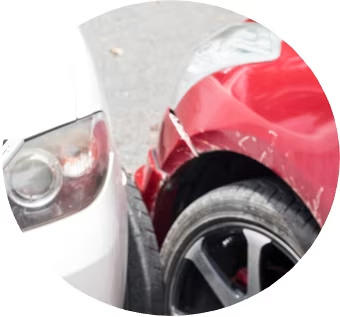
When you collect your car, hire firms often try to flog 'top-up' insurance which removes your excess, so you'd pay nothing in the event of an accident or other claim.
This insurance can be as much as £42 a day – DON'T BUY IT.
Instead, look to get an excess policy from a standalone provider for as little as £2 a day. With these policies, you pay the £100s or £1,000s of hire firm's excess in the event of a claim, and then reclaim the money from the excess insurer.
What's more, standalone excess policies often cover more than the basic insurance offered by car hire firms, such as damage to wheels and windscreens. Policies and their limits vary from company to company, so always check before buying.
Getting standalone excess insurance can mean big savings, as one MoneySaver told us...
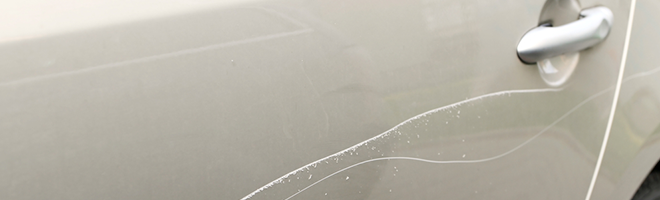
Thank you so much for highlighting the importance of car hire excess insurance, something I learnt about from an MSE newsletter. My wife and I took out a policy to cover our 10-day Sicily honey moon last month, and I reversed into a lamppost on the third day. Door, wing and bumper all scratched and dented, and the full €1,400 excess was triggered. Insurance covered every penny and the premium was only £21. It meant we could carry on enjoying the trip without worrying about a huge upcoming bill. Keep spreading the word about this, everyone should be considering it!
~ Matt via email, 2026
Last year we went to a wedding in France and I bought excess cover for about £6 for a long weekend. Unfortunately I kerbed the car and was charged about £400 for repairs. I claimed and had it all paid back to me including a cheeky bonus from the exchange rates having changed! Will always be doing it in the future. Thanks!
- Chris, via email
I paid £17 for a week's standalone excess cover in Portugal. The car hire company wanted £90. On returning the car to the hire company, I got charged £290 for a scuff on one wheel. When I got home the excess insurer sent me a cheque for the full amount. Fantastic value.
However, to do this you'll often need to leave a large credit card deposit (see more on this below).
Like travel insurance, you can buy a policy for one trip, or all your trips in a year (which tends to be better value if you'll hire a car more than twice or for longer than two weeks). Though watch out for auto-renewal – make a note in your diary to cancel before the year is up.
First do a comparison
Use excess car insurance comparison site Moneymaxim*, which checks 110+ providers, and allows you to choose between one-off and annual policies.
Then check for special discounts
Many of the big providers offer discount codes which can get you prices you won't see on comparison sites, so it's worth checking these too.
Provider | Discount | Code |
|---|---|---|
17% off | (Code will be auto-filled) | |
20% off | (Code will be auto-filled) |
Once you've found the cheapest deal, see if you can beat it by booking direct through a cashback site. First read pros and cons in our Top cashback sites guide.
Quick questions
What cover will I get as standard (for example, collision damage waiver)?
Most car hire policies will include basic cover as standard, especially if you're hiring in Europe. But hire firms will often try to get you to upgrade your cover, reduce your excess (or both), and pay a sky-high fee to do so.
If you're hiring in Europe, rules mean you should be told exactly what is covered in the rental price, but always double-check. This is the typical cover you usually get...
-
Collision damage waiver (CDW)
CDW is the basic cover and reduces your liability in the event of an accident. It covers the vehicle if it's damaged in a 'collision', rather than the people in it (who are covered by third party, fire and theft policies). It's worth noting, 'extras' such as tyres or windscreens are often excluded.CDW insurance often features in car hires in Australia, Africa and New Zealand, but in other countries, such as the US and Canada, you might have to buy it separately. Without it, you could be forced to pay for the repair or replacement cost of the vehicle.
-
Loss damage waiver (LDW)
The equivalent of CDW but includes 'theft protection' so covers the cost of the car if it's stolen.
While CDW and LDW are usually included, beware any extra insurance that insurers will try to sell you (for example, to cover tyres and windscreens), which can come with a pricey premium. These are often included in standalone excess policies, which cost much less.
Do I need to upgrade for more cover?
It's up to you, but bear in mind some elements of what you're offered may already be covered under your travel insurance, for example, personal accident or medical cover, and sometimes bags too if they're stolen from a locked boot (although usually not if left overnight).
Here's a breakdown of the other types of cover you might be offered:
-
Super collision damage waiver
Reduces your liability further and sometimes covers tyres, roofs and windscreens. This isn't usually included in the hire price and can cost about £20 a day.
-
Personal accident insurance
Pays out if you kill or injure yourself or a passenger, though that's usually covered within the 'personal accident' section of regular travel insurance.
-
Personal effects cover
Pays out if your property is stolen from a vehicle, usually covered by travel insurance.
Is breakdown recovery included in excess insurance?
It isn't usually, so check with your excess insurer. Otherwise, getting towed could set you back £500.
Car hire firms will normally include breakdown recovery if you add the excess element to their own policies, but if you choose a standalone excess insurer, you may not get breakdown cover.
Step 3: Got standalone cover? Ensure you've a credit card in the name on the booking
We're big fans of standalone excess insurance, as it saves you serious money – however, the car firms do what they can to make it difficult. They will often say "you'll still need to pay us", and this is true as they typically require a deposit on a credit card to cover any potential damage...
Most companies require a credit card for this – a debit or prepaid card often won't do. You'll need enough space on your credit card to cover the deposit, typically £500 to £1,200, plus any spending you're planning on doing on it, so make sure you don't exceed the limit.
The credit card will usually need to belong to whoever made the booking. So always double-check the terms and conditions if this might be a problem. If you don't have a credit card, some firms could force you to take their insurance because they don't accept deposits on debit or prepaid cards. See our Credit cards guides and tools for help choosing the right one for you.
If you have an accident, the car hire company will take the money off your card. That's the point of the deposit – it gives the company the ability to protect itself in case of damage to the car. You could pay some of or all of the excess on the car hire firm's regular insurance, so make sure you know how much that is.
You then claim back the cost off your own excess insurance. Keep all the documentation to help your claim.
Always inspect the car on collection and if possible take photos. If you get the firm's insurance, then this is less of an issue as even if there's a problem it'll sort it out. Yet with excess insurance there can be a dispute, so here it's especially important to take pictures and inspect the car before you take it out – and report back any problems they haven't listed.
Most firms just ring-fence the deposit – if not, there can be an exchange rate risk. Most firms ring-fence the deposit, which means you can't spend that amount until it's released. Yet a few (for example, Alamo, Enterprise and National), may actually withdraw the deposit when you take the car and refund it later.
This means if there are big currency fluctuations while renting you may be affected – ex-MSE Nick found he was down more than £30 on a €1,350 deposit for a car hire in Malta in 2016. Of course it can also work in your favour too – see our car hire exchange rate impact MSE News story from 2016.
Step 4: Read our top tips for when picking up and driving the car
You've booked your hire car and got your standalone excess insurance in place, but what next? We've a few more MoneySaving tips to help you prepare for the trip – plus some pointers for when you're actually picking up the car:
Turn your phone into a free worldwide sat-nav to beat hefty charges
If you've a smartphone with GPS, there's a nifty free way to turn it into a sat-nav you can use abroad. Simply download one of the following free apps to your phone.
While the apps won't have the bells and whistles of a traditional sat-nav, you won't have to use any data when overseas.

Download the apps and maps before you go and then they're stored offline in your phone – the apps use your phone's built-in GPS to locate you and you don't need data or Wi-Fi.
Our three top-pick sat-nav apps are:
See turn your phone into a sat-nav for full details.
Know the country's road rules or risk the strong arm of the law
The rules on how fast you can drive, what equipment you need to take and what emissions stickers you may need vary by country.
Check driving regulations for popular European destinations in our Driving in Europe guide to ensure you're familiar with local rules before you go. Here are some examples of things you should check:
-
Which side is right? Check which side of the road to drive on. Ask if you're unclear about speed limits.

Can you put kids in the front? It differs from country to country as to whether kids are allowed to ride in the front, so check the regulations before buckling up.
Are there rules about carrying items? Although it's not illegal per se to drive with any loose items on your rear seat, there are reports of people having been fined for this because of the risk of causing an interference to the driver (in cases where they need to brake suddenly, in particular).
Plus, it's a good idea to:
Bring along loose change (in local currency) for toll roads. Lots of European countries (France, Italy, Spain etc) have toll roads requiring payment at a tollbooth. Although many of these now accept card payment, you don't want to be caught out by the ones that don't.
Know the lingo? Haggle for cheaper hire
If you're heading to an English-speaking country or are fluent in the lingo, you could try a little haggling once you arrive. Haggling can work well for pricier cars and longer holidays. Just try a little polite chutzpah.
Paying by card? Buy car hire extras in local currency, not pounds
Many overseas banks or shops at overseas airports ask: "Pay in euros, or pounds?" If you choose pounds, then the retailer does the currency conversion, but if you've a top overseas card, always choose the local currency as your card provider does the exchange – and it's unbeatable.
It's generally safer to go with the local currency, as the vendor can set its own exchange rate if it wishes, which will usually be worse than the credit card rate. See Martin's blog: Using plastic overseas? Always pay in euros.
So if you get any extras at the airport or car hire company (a roof rack, for instance) and you're asked this question, opt for the local currency, and use your overseas card. (Though, as we said in the booking section, always try and book extras upfront.)
Check your car inside out BEFORE you drive it anywhere
Sadly, international car hire can be tricky. If something goes wrong, fixing problems isn't easy. There are a few techniques to prevent problems:

Inspect and take photos of the car's condition. Reports of overcharging and claiming damages are rife. So snap some pictures of the car and make notes of its condition on the hire company's form, especially any scratches or dents – these can be the prime source of disputes.
If there's anything you find that the hire car company hasn't already logged, make sure you report it BEFORE you drive off so it doesn't try to charge you for it when you return.
Check the fuel type the car takes. Always check if the car requires petrol or diesel. If you damage the car by using the wrong type, it's unlikely you'll be covered.
Going off-road? If you're hitting the dirt, check what's covered. If you have an accident while racing through the Sahara, you may have to cough up for damages. Check the spare tyre is fit for purpose.
Local legalities. Some countries have legal requirements such as in-car first-aid kits, high-visibility jackets, breakdown and spare bulb kits which, if you don't have them, invalidates the insurance. The car hire company should be well aware of this, but do check. Our Driving in Europe guide is a good place to start.
Note down the hire firm's emergency number, just in case. Most car hire companies have a 24-hour contact number, in case a vehicle breaks down or you're involved in an accident. Make sure you've got it before going anywhere.
Return your car on time or risk big charges
Avoid problems at the end of the car hire period by sticking to the rules. Return your car on time to avoid late charges, preferably in the cleanest state possible so you're not hit with a cleaning bill. Also:

Stick around for the inspection. Stop minor scratches being blamed on you, which can lead to charges. If you don't have time, take photos just before returning it.
Had an accident? Keep repair bills in a safe place. You may not be able to claim without them.
Get the paperwork sorted. Ask for all paperwork to be completed on the spot. Keep any confirmation of the deposit so the firm can't apply charges later, and store the paperwork in a safe place too, in case of any disputes.
Check your account when you get back
The final bit of vigilance that's needed. Check your credit card or bank statement when you get back to make sure no extra charges have been added to your bill without your knowledge, and ensure you've had your full deposit returned.
After that, you can delete the photos and get rid of the paperwork. But not before – otherwise you have no way to dispute the process. If there's a problem and contacting the company doesn't sort it, and you paid by credit card, remember you have Section 75 protection as a backup.
Share this guide?