





Overpaid your credit card? How to get your cash back
Negative balances shouldn't affect your credit score

This guide explains what happens if you overpay your credit card and how to get a refund if you do. A negative credit card balance shouldn't harm your credit score.
Overpaid your credit card? Don't panic - your money isn't lost
If you pay more than you owe, your account will show a credit balance (sometimes shown as a negative balance), meaning your card provider owes you money. Your money isn't lost and, in most cases, you can either spend the credit or ask your card provider to refund it.
A credit card overpayment can happen if you:
-
accidentally repay more than your outstanding balance
-
make a manual payment as well as having a Direct Debit set up for repayment
-
get a refund for something you've returned after you've cleared your previous balance
-
receive cashback or have charges reversed.
It's worth noting that a negative credit card balance isn't the same as your available credit. It means your card provider owes you money, although having a negative balance will usually increase the amount you can spend on your card until the credit is used up.
Paying more than the minimum isn't the same as overpaying a credit card balance

Accidentally paying more than your statement balance is not the same as paying more than the minimum repayment.
Paying more than the minimum is generally a good idea because it reduces your balance faster and can save you interest.
Overpaying a credit card, on the other hand, means paying more than you actually owe, leaving your card with a negative (credit) balance.
How to get a credit card overpayment refunded
You typically have two options:
1. Ask your card provider for a refund
If you want or need the cash, contact your card issuer through online chat, telephone or secure message to request a refund.
Some providers also let you request a credit balance refund via your banking app, or you can transfer the credit balance yourself. If you do this, check for any pending transactions and don't transfer more than your credit balance, as you may incur fees or interest.
Most providers refund the money to your linked current account within three to five working days, although times vary by provider. For larger refunds, you may have to go through additional security checks, which could delay the refund.
If you are contacted by anyone asking you to claim a credit balance refund, it could be a scam. Always request refunds or transfers through official card provider channels, such as your banking app or customer service phone line.
2. If it's only a small amount, you can usually just spend it
If you don't need the cash straight away, you can simply continue using your card as normal - but don't spend just to use up the credit. Any purchases will automatically reduce the credit balance.
If the overpayment is larger and you don't need a refund immediately, you can leave the credit on your account until you need it. It will automatically be used against future spending.
A negative credit card balance can stay on your account for months without causing any issues or incurring penalties. Your card provider may contact you to arrange a refund if the credit balance remains on your account for a long time.
Overpaying your credit card balance shouldn't hurt your credit score
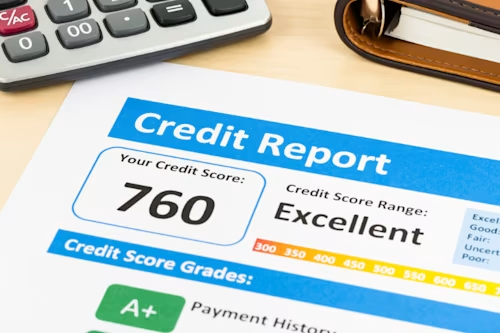
Credit reference agencies generally don't record a negative balance. Instead, your card provider will usually report your balance as £0, so an overpayment won't normally improve or damage your credit score.
If you're worried about how your credit accounts are being reported, you can check your credit report for free with MSE's Credit Club.
Can an overpayment increase your spending limit?
Some card providers won't let you spend above your approved credit limit, even if your account is in credit. So don't use overpaying as a way to boost your credit limit - it may not let you make a bigger purchase. Check with your card provider how it treats credit balances.
If you're planning a large purchase and need a higher credit limit, request a temporary or permanent credit limit increase - but only do this if you're confident you can repay what you borrow.
And remember that you don't necessarily have to pay the full amount on your credit card to qualify for Section 75 protection. See our full Section 75 guide for how it works.
Don't treat your credit card like a savings account
Credit card providers don't usually pay interest on credit balances. If you've accidentally overpaid and don't need the money on your card, you're generally better off getting a refund and keeping the cash in a savings account, where it can earn interest. See our Top savings accounts for the best rates.
How can I avoid overpaying my credit card?
If you've accidentally overpaid your credit card, there are a few simple ways to help prevent it happening again:
-
Check your latest balance before making a payment, especially if you've recently used your card or made another payment, or are expecting a refund.
-
Review your direct debit settings. If you pay your balance in full by direct debit, you may not need to make manual payments unless you've checked exactly how much is still outstanding.
-
Avoid making a manual payment just before your direct debit is due, as you could end up paying the same balance twice.
-
Set up payment or balance alerts in your banking app so you know when a payment has been taken.
Share this guide?