




Best travel credit & debit cards
Near-perfect exchange rates & no fees when used abroad

If you're planning an overseas trip, or regularly buy from overseas websites, a specialist travel credit or debit card is one of the cheapest ways to spend as it gives near-perfect exchange rates worldwide. This guide includes the top-pick travel cards, the cards to avoid, and how to check what your card's charging you.

First, a quick overview of travel credit & debit cards...
Specialist travel cards offer near-perfect exchange rates and don't charge fees when you spend overseas, and a select few also don't charge fees and/or interest when you withdraw cash abroad. Some offer extra perks, too, such as cashback. Travel cards come in two guises…
Travel credit cards: These give additional Section 75 purchase protection, though require a full credit check to open, so use our eligibility calculator to find the cards you're most likely to be accepted for, rather than just applying. Spending is interest-free, but only if you repay IN FULL each month.
Travel debit cards: These offer less-powerful chargeback purchase protection, but can require just an ID check, not a full credit check, so may be easier to get.
Using a top travel card overseas? Always pay in local currency, not pounds. Also, bear in mind that spending abroad on these cards is generally cheaper than withdrawing cash, and avoid paying for travel money at a bureau de change with a credit card.
Ready to compare? Jump to the best travel cards
Specialist overseas cards with cashback or switching perks – compare our top travel credit & debit cards. Each one has different benefits, so choose the ones you value the most.
More top travel cards – compare the next-best credit & debit cards. These also offer cashback, reward points or top service, so check all the options to find the right one for you.
Or read on to see how travel cards work, which cards to avoid using overseas and the top alternatives.
How do travel credit and debit cards work?
Spend on your plastic abroad and card providers get a virtually-perfect exchange rate for that moment, but most add up to 3%-ish non-sterling exchange fees on top of what we pay. So £100 worth of euros on the day costs you £103, and others whack more fees on too.
The worst cards can have a variety of too, including flat fees (typically 50p to £1) each and every time you spend, fees for withdrawing cash, and for credit cards, hefty interest.
Yet top specialist overseas cards don't have these fees, so you get the same near-perfect, bureaux-beating exchange rates as the banks, meaning £100 worth of euros costs your £100 – undercutting even the best bureau de change.
And when we say 'near-perfect', we're talking about the Mastercard and Visa exchange rates, which aren't quite as good as the perfect interbank rate (though they're both usually very close – less than a pound worse per £100 exchanged, and the difference between Visa and Mastercard is a matter of a few pence per £100 of currency – so there's little to separate them).
A specialist travel card can save you over £100 per holiday
Here's how much spending $1,000 can cost in pounds (we assumed five $100 cash withdrawals and 20 transactions of $25 each on the cards). This was done when the exchange rate was around $1.28 to £1 but – whatever the exchange rate is today – the point still stands about the cheapest ways to pay:
Top specialist credit/debit card repaid in full: £740
Top prepaid card: £740
Cash via cheapest bureau (pick up in London): £751
Cash from M&S on the high street (non-cardholders): £758
Using a debit card with a spending charge: £833
Changing cash at airport (not pre-ordered): £909
As you can see, the differences can be sizeable, yet the winners are simple. Apply for a specialist overseas card, then use it every time you go.
Something to note is that when spending abroad on a credit or debit card, you'll get the exchange rate from the time your transaction was processed which may not be the same as the rate when the transaction was made. If you want to lock in a guaranteed interbank rate ahead of time, check out our Top prepaid travel cards guide.
Which cards are free to use for overseas spending?
As we said above, never just blindly spend abroad with ANY card, as most will charge expensive fees. Instead, find a card which uses near-perfect exchange rates and doesn't charge any fees when used abroad – some also offer fee-free ATM withdrawals, though do check, as it's not all (see our best buys below).
There's an increasing number of specialist overseas cards to choose from, and you may even already have one (see full list below) – in which case switching to a new one is only likely to bring a small gain, but could still be worth it.
Full list of top overseas debit and credit cards
Here is a full list of top overseas debit and credit cards, which don't charge fees for spending abroad:
Top overseas credit cards
Barclaycard Platinum Travel
Barclaycard Rewards (not Freedom Rewards)
Creation Everyday
Halifax Clarity
NatWest - The NatWest Credit Card
Nationwide Credit Card
Post Office Platinum
RBS Royal Bank/Reward Black
Santander 123
Santander All in one
Santander Rewards
Santander Zero
The Ulster Bank Credit Card
Virgin Money - Travel Credit Card
Zopa
Top overseas debit cards:
Bank of Scotland Platinum
Bank of Scotland Silver
Chase Bank
Co-op Bank
First Direct
Halifax Ultimate Reward Current Account
Kroo Bank
Lloyds - Club Lloyds
Lloyds - Club Lloyds Silver
Lloyds Platinum/Premier
Monzo
NatWest Reward Silver, Reward Platinum, Reward Black, Black
RBS Black, Reward Black, Reward Platinum, Reward Silver
Santander Edge
Santander Edge Up
Starling
Trading212
TSB Spend & Save Plus
Virgin Money
Yonder
You can also use our handy tool to check what your card charges, and if it's not fee-free, see our top-pick travel cards to find a new one.

How much does your card charge?
Find out how much you will pay to use your card abroad
Your Results
Beware using any of the cards below overseas
Let's make this plain: DO NOT USE THE CARDS BELOW OVERSEAS. Unless you're spending euros in the EU, Iceland, Liechtenstein or Norway, the cards below charge 50p to £1 for transactions on top of their normal exchange-rate charge.
The following banks and building societies charge fees when using their bog-standard current account abroad. They all have an exchange load (mark-up) of 2.99% and charge a minimum of £1.50 each time you withdraw cash at an ATM, and at least 50p each time you spending on your debit card.
-
TSB Spend & Save
-
Bank of Scotland Classic
-
Lloyds Classic
-
Halifax Current Account
However, all these providers do have alternative current accounts, which are fee-free to spend and withdraw from when abroad - however, most charge a monthly fee or require minimum monthly pay-ins.
Travel card need-to-knows
Before you go on holiday, there are some things you need to know about how credit and debit cards work overseas. Get this wrong and it can cost you large.
If you're using a credit card, ALWAYS pay it off IN FULL every month
Specialist overseas credit cards can be the best way to spend when you're on holiday, but can turn into one of the worst ways if you're not disciplined enough to pay them off. Always follow the golden rule:
"Set up a direct debit to repay in full every month, or the interest charges dwarf the cheap-currency gains."
If you haven’t used your credit card for a long time, check its Direct Debit is still active. A Direct Debit instruction can become inactive if no payment has been collected for 24 months, which could mean a missed payment when you next use the card.
And if you no longer need your card, see how to cancel credit cards.
If asked if you'd like to pay in pounds or the local currency, always pick the local currency
Many overseas hotels, shops and ATMs ask this when you pay by card. If you choose pounds, the retailer does the currency conversion – but rates can often be poor compared with letting your card do it – see Martin's euro analysis for how this worked for him on a European trip.
If you've got a top overseas card, ALWAYS choose the local currency, as your card does the exchange and it's unbeatable.
If you're using a bog-standard credit or debit card, it's touch and go. While the card machine may possibly show you the 'non-sterling cash fee' and you might see that it's below what your card would charge for a foreign transaction, the fact that the retailer picks the rate of conversion means you're still likely better off paying in the local currency.
Spending is almost always cheaper than withdrawing cash on credit cards when you're on holiday
If you've a top overseas credit card, spending is almost always cheaper. Even on cards with no cash withdrawal fees, you'll usually still pay interest on the withdrawal until you pay it off.
This goes double for non-specialist credit cards. You'll pay the non-sterling transaction fee on all transactions overseas, but you'll also pay a fee and interest on cash withdrawals.
On debit cards, the difference is less stark these days. There's no interest on a cash withdrawal like on a credit card, and far more debit cards have scrapped their fees when you use a cash machine.
That said, this isn't true for all debit cards, so check before you travel. And importantly, like here in the UK, ATMs abroad can charge their own fees, regardless of what card you choose – so beware!
Should I withdraw my travel currency in the UK or overseas?
If you're going to get the cash out on a specialist overseas card, then it's better to wait until you're there.
However, if you're just planning to use a normal card or convert pounds when you're out there, there's no guarantee you'll get a better rate – and certainly changing in most hotels is normally a bad idea as they give poor rates. Overall it's safer to use TravelMoneyMax and get the cheapest rate while you're here. Also see How to buy euros.
Does withdrawing cash on a credit card affect my credit score?
Any cash withdrawals you make on a credit card will be recorded at the credit reference agencies. On their own, they shouldn't matter too much, but if you have a history of poor credit, or you're looking to make an important credit application soon, they're best avoided. Sign up for MSE's Credit Club to see how the financial world views you.
Because it's usually quite expensive to withdraw cash on a credit card, lenders may see it as you being desperate for cash, and will count it against you if you apply to them.
For more information on the pros and cons, read our Withdrawing cash on a credit card guide.
Avoid paying for travel money at a bureau de change with a credit card
Buying foreign currency over the counter with a credit card might look like paying for any other item of shopping, but credit cards often categorise this as a 'cash transaction'. In other words, it's usually seen exactly the same a cash withdrawal.
The same usually applies if you're using a credit card to load up a pre-paid travel card, whether that's over the counter, online or through an app.
This means you're likely to pay interest on these transactions until they're paid off IN FULL and, as mentioned above, can signal to lenders that you're desparate for cash, when really you're only desparate to go on holiday!
Top travel credit and debit cards
As we said above, there's an increasing number of specialist overseas cards to choose from. The most lucrative route involves switching bank, but there are simpler routes too.
All the cards below use near-perfect exchange rates and don't charge fees when spending abroad, and a select few also don't charge fees or interest on overseas ATM withdrawals.

Top travel cards – Which is the winner?
Our top picks are all fee-free and interest-free when spending abroad – each card has different perks, so which wins will depend on what you value the most.
Overall top pick. Lloyds Ultra pays 1% cashback on worldwide spending in the first year, 0.25% after (still good, but likely beatable). All overseas spending is fee-free, and if repaid IN FULL each month, interest-free. ATM withdrawals are also fee-free but you'll be charged interest daily, so best to minimise these. As it's a credit card, it also offers the stronger Section 75 protection should a purchase go wrong.
Most lucrative bonus. First Direct* is a clear winner if you're willing to switch banks, as the free £210 bonus, alongside its other perks (eg, top service, 7% regular saver, £250 0% overdraft for many), makes it by far the most lucrative. We've full info, including crucial eligibility criteria, in our First Direct review.
Easiest to get. With Chase* there's only a soft credit check, not a full one, and you needn't switch bank accounts; just open it alongside your existing bank. Once open, you can add the debit card to your digital wallet almost immediately - so even if you forgot to sort an overseas spending card before leaving the UK, you can still get the benefits.
There's no cashback on overseas spending, though you do still get 2% back on UK spends on groceries, restaurants, cafes, takeaways, everyday transport, fuel and public EV charging points. Newbies can also open its top 4.5% easy-access saver.

Lloyds Ultra
Visa CREDIT CARD
12.9% rep APR
Top fee-free card for overseas spending. Get near-perfect exchange rates and fee-free cash withdrawals abroad, though interest is charged until you repay. There’s a £500 daily ATM limit. You’ll also earn 1% cashback on almost all purchases worldwide (0.25% after a year). New and existing Lloyds customers can apply direct. It’s not in our eligibility calculator, but Lloyds lets you check your chances on its own website without affecting your credit score.
Ongoing rewards:
1% cashback in first year on worldwide spending (0.25% after)
Other perks:
Fee-free ATM withdrawals and spending (if paid IN FULL each month)
Barclaycard Rewards
Visa
28.9% rep APR
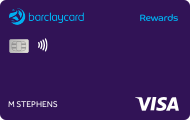
Decent cashback & interest-free withdrawals. Pays 0.25% cashback on worldwide spending, plus overseas withdrawals are interest-free, which is rare (provided you pay it off IN FULL each month).
Ongoing rewards:
0.25% cashback on most worldwide spending
Other perks:
Fee-free & interest-free ATM withdrawals abroad (if paid IN FULL each month)
Trading 212*
Mastercard
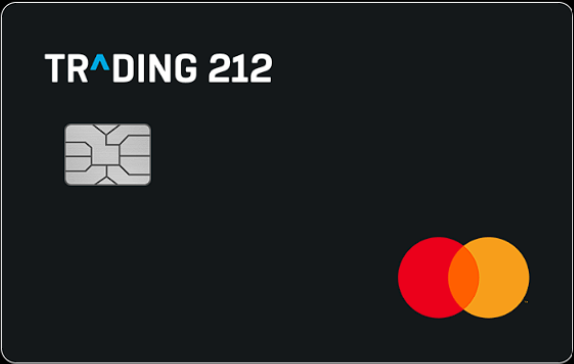
True interbank rate. Trading 212 is primarily an investment platform, though its debit card gives you fee-free spending and ATM withdrawals overseas at the interbank rate – the true perfect exhange rate. To get the card, you first need to open its free Invest account (but you don't have to invest).
Ongoing rewards:
Fee-free for overseas spending & ATM withdrawals
First Direct*
Mastercard
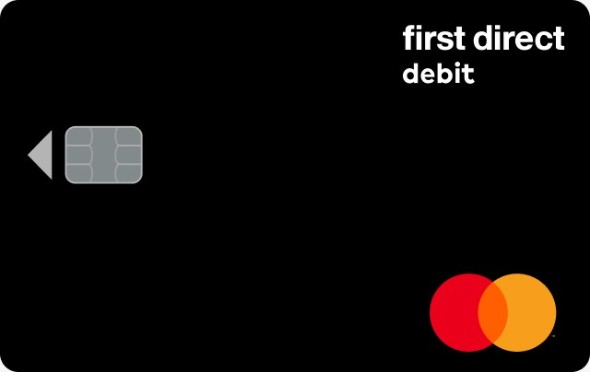
Fee-free spending and cash withdrawals worldwide, TOP service, 7% regular saver and £250 0% overdraft for many. First Direct has been top or near top of every customer service poll we've ever done, and comes with a linked 7% regular saver which you can put up to £300/month in, and gives many an ongoing £250 0% overdraft. Unlike with Chase above, here there's a full credit check.
Plus, you can currently get £200 FREE cash if you switch. Full info, including crucial eligibility criteria, in our First Direct review.
Ongoing rewards:
None (full credit check)
Other perks:
No fees on spending or at ATMs plus TOP service
None of the above suit? Here are the next-best travel cards...
We've more choices below if the above cards don't work for you. All are decent picks and are fee-free to spend on abroad, though some charge interest or have ATM fees/limits.
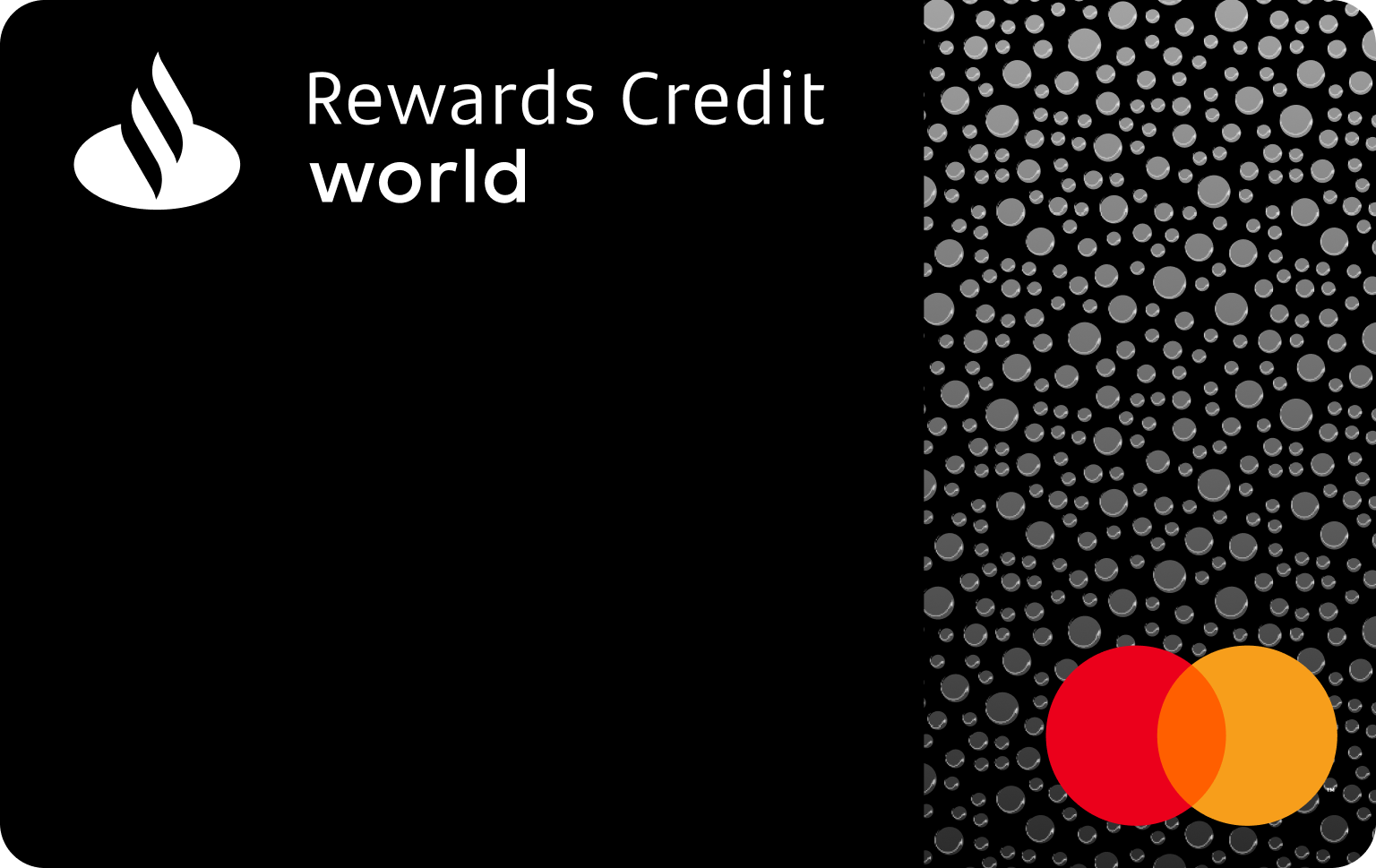
Unlimited 3% cashback on travel & eating in/out for a year, plus £40 Uber vouchers. Get 3% back on petrol, diesel, public EV charging, trains, buses, taxis, dining out and takeaways, plus 0.25% on most other spending. After a year it's 0.25% on everything (with the usual exclusions, like gambling).
There's no fee or interest on overseas spending if you repay IN FULL each month. Santander says the 3% applies overseas too, though tracking may vary. Avoid cash withdrawals, as hefty fees and interest apply.
Plus if you're a Santander newbie (ie, you don't have ANY of its products) you can also get £40 in Uber vouchers (two £20 vouchers) for Uber Rides or Uber Eats (includes groceries, excludes alcohol). Within 30 days, activate the card, add it to a digital wallet and make 10+ card payments. You'll get the first £20 voucher within 60 days, with the second sent 30 days after you claim the first, provided you keep the card open. Each voucher must be added to Uber and used within the relevant deadlines.
Ongoing rewards:
3% cashback worldwide on most travel, fuel and dining in/out purchases for 1yr (0.25% after)
Other perks:
Ongoing 0.25% cashback on all other purchases
Barclaycard Rewards
Visa
28.9% rep APR
Decent cashback & interest-free withdrawals. Pays 0.25% cashback on worldwide spending, plus overseas withdrawals are interest-free, which is rare (provided you pay it off IN FULL each month).
Ongoing rewards:
0.25% cashback on most worldwide spending
Other perks:
Fee-free & interest-free ATM withdrawals abroad (if paid IN FULL each month)

MBNA Travel Cashback
Visa
12.9% rep APR
Decent cashback but hefty withdrawal fees. Pays 0.25% cashback on most worldwide spending for three years, plus it's fee-free during that time (if paid off IN FULL each month). After the three years you'll start being charged 2.95% on overseas spending, so ditch the card then. There's also a 5% fee on ATM withdrawals from day one, plus interest charged daily until fully paid off, so don't use it to withdraw cash.
Ongoing rewards:
0.25% cashback on worldwide spending for 3yrs
Other perks:
Fee-free spending for 3yrs (2.95% fee after; 5% withdrawal fee + interest)

NatWest Travel Reward
Visa
27.9% rep APR
Good for cashback on specific spends. Pays 1% cashback on certain travel spends (eg planes, trains & car rentals). There's an ongoing 0.1% cashback elsewhere. Don't use it to withdraw cash as there's a 3% fee (min £3) and you'll be charged interest daily until fully repaid.
Ongoing rewards:
1% cashback on certain travel spend (0.1% elsewhere)
Other perks:
Fee-free spending (watch out for 3% withdrawal fee, min £3, plus interest)
Trading 212*
Mastercard
True interbank rate. Trading 212 is primarily an investment platform, though its debit card gives you fee-free spending and ATM withdrawals overseas at the interbank rate – the true perfect exhange rate. To get the card, you first need to open its free Invest account (but you don't have to invest).
Ongoing rewards:
Fee-free for overseas spending & ATM withdrawals

Yonder
Mastercard
Earn points to spend on dining, travel and days out etc. The Yonder debit card gives you fee-free spending and overseas ATM withdrawals (max 5/week, max £150/day), plus you get one point per £1 spent. Points can be used for a variety of 'lifestyle-oriented rewards' such as dining, travel, theatre & shopping. You also get 1,000 bonus points on £1,000+ spend within first 30 days.
Ongoing rewards:
1pt. per £1 spent (for 'lifestyle-oriented rewards')
Other perks:
1,000 bonus points on £1,000+ spend within first 30 days. (fee-free overseas spending and ATM witdrawals)
Starling
Mastercard
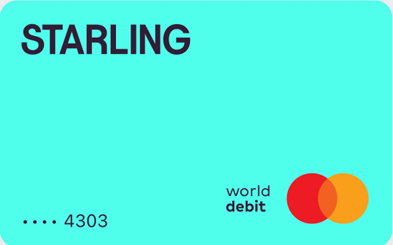
Decent option from top-service digital bank. Fee-free spending and withdrawals overseas (six/day max, £300/day max) from this app-based bank account, which regularly tops our banking service poll (91% 'great' in our most recent one).
Ongoing rewards:
None (soft credit check)
Other perks:
Fee-free spending and cash withdrawals (max six/day, max £300/day)
Currensea*
Mastercard
Read how it works plus how to get £10 cashback
Avoid overseas fees through Open Banking. Link your existing current account to Currensea via Open Banking, which then charges your linked current account via Direct Debit – bypassing any foreign spending or ATM fees. Though note, there's a flat 0.5% charge on top of the interbank/Mastercard exchange rate, so you might be better off with some of the other cards in the table.
Ongoing Rewards:
£10 cashback on £100+ spend in first 6mths
Other perks:
fee-free spending and withdrawals (but watch out for conversion rate charge of 0.5%)
Looking for a card that children can use abroad?
Our top-pick cards for under-18s offer near perfect exchange rates, plus most let you set spending limits and monitor via apps.
What are the alternatives to travel credit and debit cards?
If you don't want a new credit or debit card, but you still want to be able to maximise the bang for your buck (or euro, or dong) there are a couple of other ways to spend that you can look at...
-
Prepaid travel cards. These let you load them up and lock in a rate in advance. Some charge huge fees or take a cut of the exchange rate, but cards such as Revolut* and Wise* tend to offer a decent deal, often rivalling the cards above.
Note: prepaid travel cards don't offer Section 75 protection like credit cards, and they're not always accepted by car hire companies or for pay-at-pump petrol. And, while none of the cards in our prepaid travel cards guide have monthly fees or charge you for not using the card for a year, these are common features of other cards. -
Prefer cash? Useful if card isn't accepted, our TravelMoneyMax travel money comparison tool helps you find the best exchange rates for your holiday money.
Want to complain about your card provider?
If your card company has charged you the wrong amount, charged interest when it shouldn't have or its service has been atrocious, then you don't have to suffer in silence.
It's always worth trying to call the provider first to see if it can help, but if not, you can use free complaints tool Resolver. The tool helps you manage your complaint, and if the company doesn't play ball, it also helps you escalate your complaint to the free Financial Ombudsman Service.
Sorting travel insurance once you've chosen a top card for travelling abroad? Read our guide to Cheap travel insurance which has all the need-to-knows, including how to claim if you need to.
Travel card FAQs
Will using a travel card affect my credit score?
Opening a travel credit card will involve a hard credit check, which can temporarily lower your score. Using it responsibly (repaying in full, keeping utilisation low) should actually help long term. Debit cards and prepaid cards don’t impact your credit score at all.
What happens if I lose my travel card abroad?
All providers have 24/7 hotlines to freeze cards, but not all will courier emergency replacements internationally. Some debit card providers (eg, app-only banks) may only post a new card to your UK address, leaving you stuck unless you’ve got a backup. Always take at least two cards from different providers.
Are there limits on how much I can withdraw abroad?
Yes. Many “fee-free” debit cards cap cash withdrawals (eg, £300 a day or £1,500 a month). Credit cards usually let you withdraw more, but interest starts instantly unless you’ve got one of the rare cards that gives interest-free cash withdrawals. That's why you should ALWAYS avoid withdrawing cash off your credit card.
Will I still be charged ATM fees even with a fee-free card abroad?
Some overseas ATMs levy their own operator fee regardless of which card you use, so a 'fee-free' card doesn't guarantee a free withdrawal everywhere.
Should I still carry some cash on holiday?
It's always useful to carry a small amount of local cash for situations where cards aren't accepted (such as markets, small vendors, transport), even if using a top travel card.
Why can you trust MoneySavingExpert?
MoneySavingExpert.com is the UK’s biggest consumer finance website, founded by Martin Lewis, offering impartial, research-based tips.
The site's dedicated to cutting your bills and fighting your corner with journalistic research, cutting-edge tools and a massive community – all focused on finding deals, saving cash and campaigning for financial justice.
⚠️ You're viewing just the top picks & key tips. Want all the detail? Switch to the full guide.
Best travel credit & debit cards at a glance
A specialist travel card gives you near-perfect exchange rates, fee-free spending overseas and, sometimes, fee-free cash withdrawals. First, we have quick tips, then the best buys.
1. Credit & debit card options bring different benefits. Travel credit cards offer stronger Section 75 purchase protection but require a credit check – use our eligibility calculator to see your approval odds before applying, or the provider's checker if one's available. Debit cards have less-powerful chargeback protection, though some can be opened without a full credit check and so can be easier to get.
2. Some cards come with additional perks, such as cashback or switching cash. Compare credit and debit cards, but also consider any additional benefits that the cards offer.
3. Always pay in local currency, not pounds. Plus, if you go for a credit card, set up a Direct Debit to repay IN FULL every month and don't use it to buy travel money from a bureau de change, as you may be charged interest. Bear in mind too that spending overseas on a top travel card is generally cheaper than taking out cash.
Lloyds Ultra
Visa CREDIT CARD
12.9% rep APR
Top fee-free card for overseas spending. Get near-perfect exchange rates and fee-free cash withdrawals abroad, though interest is charged until you repay. There’s a £500 daily ATM limit. You’ll also earn 1% cashback on almost all purchases worldwide (0.25% after a year). New and existing Lloyds customers can apply direct. It’s not in our eligibility calculator, but Lloyds lets you check your chances on its own website without affecting your credit score.
Ongoing rewards:
1% cashback in first year on worldwide spending (0.25% after)
Other perks:
Fee-free ATM withdrawals and spending (if paid IN FULL each month)
Barclaycard Rewards
Visa
28.9% rep APR
Decent cashback & interest-free withdrawals. Pays 0.25% cashback on worldwide spending, plus overseas withdrawals are interest-free, which is rare (provided you pay it off IN FULL each month).
Ongoing rewards:
0.25% cashback on most worldwide spending
Other perks:
Fee-free & interest-free ATM withdrawals abroad (if paid IN FULL each month)
Trading 212*
Mastercard
True interbank rate. Trading 212 is primarily an investment platform, though its debit card gives you fee-free spending and ATM withdrawals overseas at the interbank rate – the true perfect exhange rate. To get the card, you first need to open its free Invest account (but you don't have to invest).
Ongoing rewards:
Fee-free for overseas spending & ATM withdrawals
First Direct*
Mastercard
Fee-free spending and cash withdrawals worldwide, TOP service, 7% regular saver and £250 0% overdraft for many. First Direct has been top or near top of every customer service poll we've ever done, and comes with a linked 7% regular saver which you can put up to £300/month in, and gives many an ongoing £250 0% overdraft. Unlike with Chase above, here there's a full credit check.
Plus, you can currently get £200 FREE cash if you switch. Full info, including crucial eligibility criteria, in our First Direct review.
Ongoing rewards:
None (full credit check)
Other perks:
No fees on spending or at ATMs plus TOP service
Want more info? Read our full Top travel credit & debit cards guide, with all our top picks, overseas spending tips and the costly pitfalls to avoid.
Want an alternative to credit or debit cards? Prepaid travel cards let you load cash on to them and lock in a rate in advance. Some rival the cards above, but they DON'T offer Section 75 purchase protection. Alternatively, if you want cash to spend, use our TravelMoneyMax comparison tool to find top exchange rates.
Share this guide?