



Prepaid cards
Alternatives to credit or debit cards

If you're unable to get a bank account, or want a simple way to limit your spending, then a prepaid card is worth considering adding to your wallet. There's no credit check to pass and you can only spend or withdraw the amount you add to it. This guide has full information, alternatives and our top-pick cards.

First, a quick overview of prepaid cards...
In essence, prepaid cards are quite basic – they allow you to load money onto them, which you can then spend. They can be a good alternative to a debit or credit card, as you can only spend what's on the card and you'll need to have it loaded in advance.
They usually don't require a credit check to apply for, which can be useful if you've got a bad credit score. However, getting a prepaid card doesn't help build your credit score, no matter how carefully you spend. And, although they're widely accepted, there are some exceptions such as for car rentals and pay-at-pump fuel.
| - Minimum age: 18 |
Hyperjar* | - Minimum age: 16 |
What is a prepaid card?

A prepaid card works like a pay-as-you-go debit card. You add money to the card, which can then be used in most places where card is accepted, including online and cash withdrawals. You can only spend the money you've loaded to it, so there's no risk of getting into debt or pricey overdraft charges. Unlike most debit cards, it doesn't come with a current account.
There's also no hard credit check involved, so could be a lifeline if you're unable to get a bank account due to a poor credit history or if you're lacking proof of address – though see our Basic bank accounts guide first for the top easiest-to-get accounts.
What are the pros and cons of a prepaid card?
Prepaid cards come with their own set of advantages and disadvantages...
Pros:
-
Good for budgeting. You can only spend what's loaded on the card, so it's harder to overspend.
-
Convenience. Like debit and credit cards, prepaid cards are widely accepted.
-
No credit check. Unlike credit cards or bank accounts, prepaid cards typically don't require a credit check, making them accessible to individuals with limited or poor credit history.
Cons:
-
Fees. Many prepaid cards come with fees, including activation fees, monthly fees, reload fees, ATM withdrawal fees and inactivity fees. Try to look for cards with low or no fees so more of your cash stays with you for spending. We've more info on these below.
-
Limited protection if things go wrong. Your money on the card isn't protected in the same way it would be in a bank account under the Financial Services Compensation Scheme, plus you may have fewer rights to refunds if things go wrong. We've more info on both these potential issues in the need-to-knows below.
-
You don't build a credit history. Using a prepaid card (even if you manage it well) won't help you boost your chances of getting credit in future, as your usage won't be reported to credit reference agencies. See Credit building credit cards and Best first credit card if you've a limited credit history.
-
You can't use it for all transactions. Some services, such as car rentals and pay-at-pump fuel, may require a credit card (or at least a debit card). See below for how to get around this.
What types of prepaid cards are there?
There are three main types of prepaid card, suiting different purposes:
-
Everyday spending. Best used as a substitute to debit or credit cards as a simple way to stick to a budget – the focus of this guide. They can also be useful if you've a history of poor credit and can't get a debit or credit card. One type is a delegated spending card– see our guide for more info.
-
Travel and overseas use. Offers near-perfect exchange rates for your travel money with no or low fees to spend or withdraw cash abroad. See Prepaid travel cards for full information and our top picks.
-
Under-18s. Cards that allow teenagers to spend in stores and online, while still giving parents a certain level of control. Our Top cards for under-18s compares the best cards and children's bank accounts.
Prepaid card need-to-knows
If you think a prepaid card is right for your wallet, here are our key need-to-knows to consider before getting one.
Your money should be safe if the card issuer goes bust
Money on prepaid cards is classed as 'electronic money', and all prepaid card providers are required to hold your cash in a bank account ringfenced from their own operating cash.
So, provided the prepaid card company has followed the rules, if it were to go bust, the bank or building society where your money's held will still retain your cash and you'll be able to get it back.
The slight risk comes if the bank or building society goes bust, because your cash is NOT protected in this case. Always try and find out which bank the provider uses for its ringfenced accounts, so you can then understand the risk. For example, you may think your cash would be safer at a big bank like Barclays or NatWest than at a bank you've never heard of.
Either way, it's best to think of your prepaid card as one that you'll keep cash on for immediate or short-term spending requirements, rather than as a place to store heaps of it for long periods of time.
If you lose the card or it's stolen, call the provider ASAP to protect your cash
As long as you contact the provider of your prepaid card and get it blocked, you shouldn't lose out on any money, though you may have to pay up to £10 for a replacement card.
Pay special attention if your prepaid card is contactless, as it could be used for a series of fraudulent transactions, so always alert your card issuer as soon as possible. It's also worth alerting local police or security services if there's been a theft – you may need an incident number to claim losses back if you have cover on your home insurance.
You'll have access to chargeback protection, but not the powerful Section 75 offered by credit cards
Prepaid cards aren't like credit cards, which offer Section 75 protection as part of the Consumer Credit Act (see Credit card protection). However, you'll have access to Visa and Mastercard's chargeback schemes instead.
Visa and Mastercard's chargeback schemes give you a chance to get your money back if you buy faulty goods, a service isn't provided, or a company goes bust and goods aren't delivered – you'll get your money back straightaway. Our Chargeback guide explains how it works.
Take note of fees – some cards charge for not using them
There are a number of fees associated with prepay cards that you need to keep an eye out for. These can include:
-
Application or activation fees. A one-off charge to open the account, usually up to £10 if applicable.
-
Monthly fees. Not all do, though £2-£5/mth is typical.
-
Renewal fees every three years. Some may charge to issue a replacement card when it hits the expiry date.
-
Transaction fees. Charged as either a percentage of the amount or a flat fee per transaction. If you make a high number of small purchases, go for a percentage fee. If you make fewer and higher-value purchases, go for a set transaction fee.
-
ATM withdrawal fees. Usually £1.50 to £2.50 per withdrawal. It's also worth checking the cards for loading and transaction limits. If you're likely to want to withdraw lots of cash, it's no good picking a card with a £50 or £100 per day limit for cash withdrawals.
-
Inactivity fees. Some may charge you a small monthly fee if you don't make any transactions for a certain period, such as 12 months. So just make sure you keep the account running – add a few quid and buy a packet of crisps and a chocolate bar if push comes to shove.
Although, if you've not used the card in so long, it might be that you don't need it any more and you're better to shut the account down.
-
Fees to move unspent money back from the card. Often up to £10, so how much you have left will determine if it's worth taking the hit.
Most places accept them, but not everywhere – always have a backup way to pay
While these cards say they're accepted anywhere you see the Mastercard or Visa symbol, there are some notable exceptions. You may have difficulty using prepaid cards for transactions that require a security deposit or preauthorisation, such as car hire firms, hotel bookings and at some petrol stations.
And even if you are able to, you may not want to. When you offer a card for a deposit, the company will 'lock' funds on the card for the duration of the hire and you won't be able to use it until the final bill has been settled and cleared.
So, if you can, use another card as a security deposit, preferably a credit card.
You'll usually need another account to be able to load money on to a prepaid card
Prepaid cards are easily reloadable once you're out of cash.
Reloading the card typically needs you to do it via bank transfer from another account, where you log in and then send money to the bank account number and sort code associated with your prepaid card. However, some may allow different ways, including:
-
Debit card payment. Here you use a debit card which gets charged with the amount you top up on the prepaid card. However, you will need another account with a debit card associated with it to be able to do this.
-
Salary receipt from your employer. Be careful with this, as prepaid cards don't protect your money in the same way a bank account would.
You'll need to give the account number and sort code to your employer's payroll department so they can make the transfer. Before doing this, it's worth checking that the prepaid card provider is able to accept Faster Payments or Bacs transfers (depending on which your employer uses).
-
Cash deposit. This is unusual, but some prepaid cards may allow you to do this at PayPoint or PayZone tills, the Post Office or via ATMs. Check your card to see if it allows this.
Always check with your prepaid card provider for specific instructions and any fees associated with loading money onto your card.
Try our free Credit Club
Sign up to MSE's Credit Club to boost your credit power – access our free tools to see how the financial world views you, including:
An Eligibility Rating that combines your credit score, affordability, and market trends.
View your full credit report – your financial CV.
Get personalised acceptance odds for credit cards and loans.
How to choose the best prepaid card for you
As we've mentioned, prepaid cards can serve a variety of functions, so it's important to pick a card that best suits your needs. Here are some things to consider:
-
Fees. Some cards will have a monthly fee – is it worth the price? Others will charge specifically for withdrawing from an ATM or making transfers. Consider what you'll use the card for and ask whether you'll be getting your money's worth. We've more info on prepaid card fees here.
-
Going abroad? If you plan on using a prepaid card for your travel money when you're on holiday, get one that can convert currency ahead of time and avoid ones that charge for spending or withdrawing in foreign currencies. Here's our full guide to Prepaid travel cards
-
Alternatives. Ask yourself if you really need a prepaid card. Unless you're struggling to get accepted for a standard account with a bank or building society, you could well be better off with a bog standard debit card. See our basic bank accounts guide for accounts aimed at those with low credit scores.
Top-pick prepaid cards
Here are our top prepaid cards suitable for everyday spending in the UK, based on the lowest fees and/or perks. For other uses, see our guides on Prepaid Travel Cards and Cards For Under-18s.
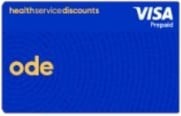
Account info: | Decent pick if you work in charity, education or healthcare (including carers), though watch out for fees. If you work in one of these sectors, the Ode prepaid card gets you cashback at over 70 retailers, including Asda, Boots, Sainsbury's and Waitrose (though do note you can't withdraw cash on this card from ATMs). After an initial £4.99 to get the card, you can add credit (min £20) to your card online or via its app with the funds available instantly. After the first year, a £2.99 annual fee kicks in, so diarise to cancel if you find you're not earning much cashback from it. There's also a £5/mth inactivity fee after 12 months of no usage, so make sure you cancel before that takes effect. |
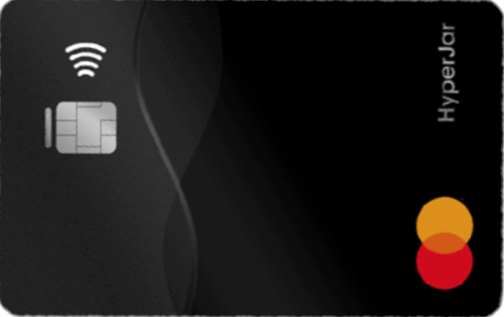
HyperJar* | No monthly fee and a variety of budgeting features – though usage fees can apply and the card can't be used at ATMs. The HyperJar card* allows you to set up 'spending jars' and 'shared jars' within the app, to help you budget, though you can't withdraw cash using this card. You also get cashback when buying vouchers for various retailers, including Amazon. There are a few limits to be wary of. For example, transferring money out to a bank is fee-free four times a month. Loading the card with less than £10 is free just once a month, though you can add loads of £10+ fee-free 10 times a month. If you exceed any of these limits, you'll be charged £1 a time. |
Important. The providers above are authorised by the Financial Conduct Authority. Any money you deposit in Clubcard Pay is covered by Tesco Bank's FSCS protection. For Ode and HyperJar, it's ring-fenced in a separate bank account, so if there are problems with the provider, the money's safe (though it wouldn't be if the underlying bank went bust, so it's best not to leave large balances on these cards, just in case).
Cashback sites may pay you for signing up
As an extra boon, members of specialist cashback websites can be paid when they sign up to some financial products. Do check that it's exactly the same deal though, as terms can be different. Remember, cashback is never 100% guaranteed until it's in your account.
Full help to take advantage of this and pros & cons are in our Top cashback sites guide.
Prepaid card FAQs
Can prepaid cards help me build or repair my credit score?
No. Unlike credit cards or even some bank accounts, prepaid cards don’t report to credit reference agencies. So, even if you use one responsibly, it won’t improve your score. If your main aim is to build credit, look at credit-builder cards or basic bank accounts instead.
Can I have my salary or benefits paid directly onto a prepaid card?
Some prepaid card providers do let you have wages, Universal Credit, or other benefits paid directly onto the card (they’ll give you an account number and sort code). But not all do – check before applying, and make sure there aren’t hidden fees for incoming payments.
Are prepaid cards safe to use online?
Generally, yes. Prepaid cards work much like debit or credit cards for online purchases, so you can use them on most sites. They also give you chargeback protection if something goes wrong, though not the stronger Section 75 protection you’d get with a credit card.
What happens if I lose my prepaid card?
Report it to the provider immediately – most will block the card and reissue a new one. Unlike cash, the money you’ve loaded should be safe, but some providers may charge a replacement fee.
Can I go overdrawn with a prepaid card?
No. Prepaid cards are designed so you can only spend what’s on the card. If there isn’t enough money loaded, the transaction will simply be declined. That makes them handy for budgeting, but also means you’ll need to top up regularly to keep using them.
Share this guide?