
Smart meter problems? You'll be automatically compensated under new rules – but not if your meter's gone 'dumb'


If you're having issues with your smart meter or its installation, you may now be eligible for automatic compensation under new rules coming into effect from today (Monday 23 February). But this doesn't yet cover cases where your meter's gone 'dumb' and isn't sending readings to your supplier.
Energy firms now have to pay out automatically for certain issues
For new problems first arising on or after Monday 23 February, you'll be eligible for £40 in automatic compensation per issue from your energy supplier if:
-
You have to wait more than six weeks for an appointment to have your smart meter installed. This only applies to new or first-time installations (not repairs and replacements).
-
Your smart meter installation appointment "fails" due to a "fault within the supplier's control". For example, not having the right engineer with the right skillset, the right metering equipment, or the correct additional equipment (such as safety equipment) necessary to complete the appointment.
-
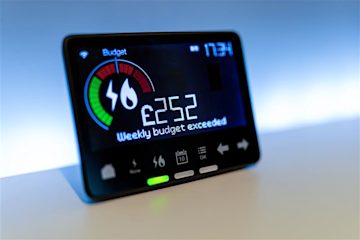
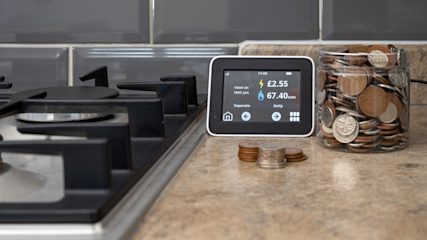
You report an issue with your smart meter to your energy supplier, and it does not provide you with a "resolution plan" within five working days. Here, suppliers are expected to explain what they've done to assess the issue – which covers both smart meters and linked in-home devices (IHDs) – and what actions they are taking to resolve it.
Suppliers won't have to pay compensation for delays or issues that started before Monday 23 February, and you also can't get compensation if your supplier has since gone bust.
Ofgem has promised to review these new policies in early 2027 "to ensure they are driving the right outcomes for consumers".
Due compensation? You should get it within 10 working days
If your supplier owes you compensation as a result of one of the issues above, they must pay this within 10 working days without you having to do anything to request it. The money can be paid into your energy account as credit or directly into your bank account (it's up to suppliers to choose).
If your supplier misses this payment deadline, you can get an EXTRA £40 on top of the original amount – though this only happens once per incident. If you think you're eligible but haven't received anything, here's what to do:
-
Contact your supplier to chase the payment. Your compensation rights come from Ofgem's 'Guaranteed Standards of Performance' for energy firms – you can reference this when explaining the situation.
-
If you're not happy with its response, raise a formal complaint. You can do this directly with the firm or using the free Resolver tool, which will keep track of your progress and evidence.
-
As a last resort, escalate your complaint. If you've already tried contacting the firm and it's been more than eight weeks since you lodged your formal complaint (or you've received a deadlock letter), you can then take your gripe to the free Energy Ombudsman. This is an independent body that handles disputes between consumers and energy firms.
If your smart meter has gone 'dumb', you won't be compensated yet
When Ofgem first outlined its proposals for new smart meter rules in August 2025, it also said that households would be eligible for an automatic £40 in compensation if their meter wasn't sending readings to their supplier and this wasn't fixed within 90 days.
However, this planned rule has not taken effect from 23 February. Instead, the regulator says it "intends to take forward further work" on the issue "with a view to implementing it later this year". Ofgem is currently awaiting the Government's response to its own separate review into smart meter performance standards.
The Government has previously estimated that around 10% of meters go dumb – though our research suggests the true figure of broken smart meters is much higher.
The problem with broken smart meters
Previously, energy firms were only fined if they failed to meet targets for installing new smart meters. But these targets don't take into account whether a meter is actually working or not, which disincentivises them from resourcing fixing broken smart meters. This is why MoneySavingExpert.com founder Martin Lewis formally requested Energy Secretary Ed Miliband change the rules in September 2024.

Commenting at the time of the smart meter plans being put forward in August 2025, MoneySavingExpert.com founder Martin Lewis said:
Broken smart meters were high on the list of issues I raised with Ed Miliband when he first became Secretary of State. He promised me he'd investigate, so I was pleased when they told me this announcement was coming.
Far too many smart meters, likely one in five, don't work as they should – a problem not just for all the homes with broken ones, but for the smart meter rollout. With so many dissatisfied customers, word-of-mouth is bad, so people tell their friends and neighbours not to get one.
We need to shift firms' focus from just installing smart meters to promptly fixing those that are broken – not just meters that go into dumb mode, but crucially all elements, including in-home displays that stop working. That's the aim of this plan, and while it's taking a softer approach than we proposed, it is an improvement and we'll be monitoring to see if it delivers.
I'm also happy the Government has taken up our suggestion of a Consumer Charter, giving people definite rights and timetabling, and look forward to working with them to make sure consumers understand it when it launches.


Share this guide?


 Latest weekly email












Clever ways to calculate your finances


