15 ways to STOP wasting food and drink
Check you've the right food in the fridge, use leftover food recipe finders & more

Are you always throwing out food that's gone off? Global environmental NGO WRAP worked out that a household of four chucks away, on average, £1,000 of good food each year. So if you're prone to emptying your fridge into the bin, we've 15 tips to help you stop throwing food (and money) away.

We're talking here about stopping avoidable food waste, but it is of course crucial to make sure you only eat older leftovers when it's safe to do so. We asked the Food Standards Agency what you need to be aware of when using up leftover food, and it told us:
"Food with a 'best before' date – which concerns food quality and not food safety – should be safe to eat after the stated date, although it may not be at its best quality.
"Consumers can use sensory cues to determine whether the food is suitable to eat, be that looking for visible mould on bread, tasting to see if biscuits or crisps are stale, or smelling some dairy products (with 'best before' dates) to see if they have soured."
Don't eat food that's past its 'use by' date though, as it could make you ill, even if it looks and smells OK. So before trying any of the following tips, make sure the food's safe to eat. See full help on the Food Standards Agency website.
Now let's get started…
1. Check you're keeping the RIGHT food in the fridge
It's a source of much debate, but the Waste and Resources Action Programme (WRAP) charity, which knows its onions when it comes to food waste, gives this advice about storing different foods to keep them fresh for as long as possible.
✅ What it says SHOULD go in the fridge:

Eggs
Oranges
Potatoes
'Most' other fruit and veg (though see important exceptions below)
❌ What it says SHOULDN'T go in the fridge:
-
Bananas – store in a cool place, in a cupboard or on the side
-
Onions, whole – store in cool, dry, dark place, ideally in a cloth bag (only chopped onions and spring onions should be stored in the fridge)
-
Pineapples, whole – store in a cool, dry place (but move to the fridge once cut up)
-
Bread – store in a fairly cool, dark, dry place, eg, a bread bin or cupboard, in the original packaging. You can freeze it – consider cutting in half and putting half in freezer. Slices can be toasted from frozen (most toasters have a special button for defrosting toast!).
WRAP's consumer site Love Food Hate Waste lets you search for different products to check the best way to store them.

In 2017, WRAP introduced the 'little blue fridge' icon (pictured right) for retailers to use on packaging to indicate whether a food item should be stored in the fridge. A 2022 survey showed that only 10% of applicable items displayed the fridge icon.
WRAP says it "would like to see a significant increase in the adoption of this important icon, especially on fresh fruit and veg, which is the most wasted food category in people's homes". So keep an eye out for the fridge icon, but remember it isn't being used by all retailers/products.
Check your fridge is the right temperature
WRAP told us "on average, our fridges in the UK are about two degrees warmer than they should be, which leads to food spoiling faster than it should."
Your fridge temperature should be 0-5C. If your fridge doesn't display a temperature, you can buy a fridge thermometer for under £10 to keep track of it.
If you know your fridge temperature but don't know how to change it, you can use Love Food Hate Waste's Chill The Fridge Out tool that lets you select your fridge brand and gives instructions for how to change the temperature.
2. Use a leftover food recipe finder to empty out your fridge
The SuperCook site lets you search recipes from various cooking websites by selecting ingredients you need to use up. If you fancy trying out AI, free website/app DishGen turns your text prompt into a new recipe.

There are similar tools on Good Food and Love Food Hate Waste, though these only let you search by one ingredient at a time.
You can even find recipes that make use of items you'd normally throw away or compost, such as potato peel. Recipes include Anytime eggs, Leftover Sunday roast pasties and Potato peel soup.
3. Have an 'eat it first' section
Sounds obvious, but a little organisation in your fridge can go a long way. Sort through it and prioritise foods that are closest to going off. This should make sure you don't leave anything forgotten at the back that will end up in the bin.

While best-before dates are one point of reference for which food to prioritise, the reality is that some foods spoil deceptively fast (looking at you, slimy baby leaf spinach at the bottom of the so-called 'keep fresh' drawer in my fridge).
Here are some of the most common foods that are prone to spoiling:
Raw fish and raw meat. Wet and nutritious is a breeding ground for bacteria. Best keep these in the freezer or consume within 24 hours (fish) or 48 hours (meat) of buying. Once it's out the freezer, make sure you cook and eat it quickly.
Leafy greens (spinach, mixed salads, rocket etc.). Their high water content makes for quick spoilage, and one slimy leaf can quickly affect the rest. Best eaten within two to four days (though of course your eyes and nose should be your guide). A piece of kitchen towel at the bottom of the bag can help absorb moisture and prolong freshness.
Soft herbs (coriander, parsley, basil). Spoilage-prone for similar reasons to leafy greens. Often last two to four days. Can be prolonged if the stems are kept in water and top is covered by a bag to keep leaves fresh.
Raspberries, strawberries, blueberries (in that order). Lots of water content and thin skins that burst and let the air in make berries susceptible to spoilage. Raspberries and strawberries don't usually keep for more than three days, blueberries with their thicker skin for around a week. Berries that are on their way out (but not mouldy) can be turned into jams and compotes.
Mushrooms. These are a bit of a moisture sponge that can turn slimy and dark within three to five days. Not many people know mushrooms can be frozen (and cooked from frozen), so if you have excess put them in the deep freeze in an airtight container.
4. Where possible, buy loose fruit and veg
Love Food Hate Waste reports that a staggering 60,000 tonnes of food waste could be avoided if all apples, potatoes and bananas were sold loose (unpackaged). Buying loose allows you to buy the exact number of items you need, plus it does away with unnecessary plastic packaging.

Love Food Hate Waste found bananas and lemons are the most common fruit or veg items to be purchased loose; the least common are potatoes and apples. Since 510,000 tonnes of potatoes a year get binned, a change in shopping habits could make a real difference.
As a result, WRAP is calling for a packaging ban on 21 different fruits and vegetables. Get involved: try ditching the multi-packs of fruit and veg on your next grocery shop, and opt for loose instead.
5. Make a meal plan (and stick to it)
You can avoid a lot of food waste simply by buying only the ingredients you need for your meals each week. To help, thrifty MoneySaving Old-Stylers on our forum share their meal plans, and even have challenges to help you use up what you've already got. See the Vegan storecupboard challenge and the What are you making for dinner? threads.
6. Try out meal boxes (at least for the intro deals)
Meal box subscriptions make meal planning much simpler. And as you get sent the exact ingredients you need for each meal, it can help reduce your food waste.
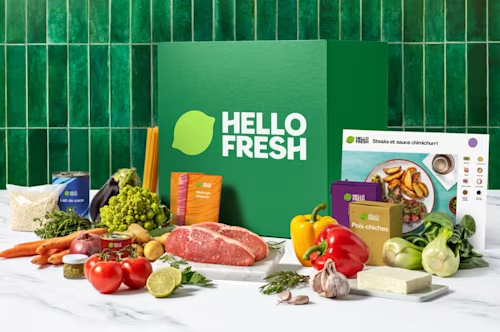
Meal box subscriptions, such as HelloFresh, Gousto*, Mindful Chef*, and Planthood let you choose from dozens of recipes each week (with plenty of filters, such as vegetarian, plant-based and family-friendly).
At full price, these subscriptions aren't cheap, but they often have introductory offers that knock 40-70% off, so take advantage of these, cancel your subscription, then hop over to the next company. Often by the time you've gone through them all, the first one will be offering you 40-70% discounts again.
7. Turn stale bread into French toast, croutons, bread pudding and more
If you end up with stale bread, there is a whole host of recipes you can use to make it into something tasty. Try turning it into:

MSE Forumite crazytree said: "Finally got round to using all the stale bread... I have one large bread pudding and a small one. Very tasty with ice cream for pudding. It'll do for packed lunches this week too."
Even simpler, WRAP suggests a trick for improving stale bread: just soak it in water, then pop it in the oven. Again, it's important to stress here we're talking about stale, not decomposing, bread.
The Food Standards Agency says: "Bread should be safe to consume past its 'best before' date, but consumers should not eat bread that is mouldy."
8. Store bread in the freezer to keep it fresh longer
To stop bread going stale in the first place, put it in the freezer the day you buy it. Then take it out a couple of slices at a time for toast or sandwiches. If you buy unsliced loaves, slice them before freezing. If you're making packed lunches for work or school, don't let defrosting bread slow you down. You can make them while the bread is still frozen and it will defrost in time for lunch.

And don't worry, while it may sound potentially messy if you've never tried it before, there's no excess water involved – the slices will just defrost to become normal bread.
There's also evidence to show that freezing bread can increase the amount of resistant starch in the bread, which is actually good for your gut health.
9. Turn old bananas into milkshakes, banana bread, banana pops and more
If your bananas have turned to the dark side, try adding them to these recipes to make them more appetising:
Forumite Hev said: "I had half a dozen bananas going very ripe, so made banana bread and banana muffins – I had forgotten how yummy they are."
And Primrose has another suggestion: "If you have slightly ripe bananas you're trying to use up in a fruit salad, a squeeze of lemon juice (or even lime juice) will make them far more palatable."
10. Freeze lemon and lime slices and use them in drinks
If you only use part of a lemon or lime for a recipe, DON'T leave the rest in the fridge to slowly shrivel up. Slice it or cut it into wedges, and put it in the freezer to use as a fruity alternative to ice cubes. To make sure they don't stick together, separate slices by laying them on ice cube trays and then move them to a freezer bag once they've frozen.
Forumite LameWolf uses this trick: "I prefer a slice of lemon in my tea instead of milk, and always keep lemon slices in the freezer for this purpose."
11. Don't throw away broccoli stems – they can taste just as good

Did you know you can eat the stem of broccoli? A surprising number of people throw it away, but if you trim off the tough outer layer and cook the stem with the rest of the broccoli 'florets', the stem can taste just as good (if not better).
There are all sorts of other things you might not have known you can eat. The leaves of a cauliflower, for example, fry up very nicely. You can also roast potatoes with the skin still on.
12. Freeze herbs, stock, yogurt and even TEA in ice cube trays for drinks, soups and sauces
Lots of food and drinks can be saved from being wasted by freezing them in ice cube trays. They're then in convenient portions for you to add to your cooking (or use in another drink).
-
Stock, wine or herbs – add to soups, stews, sauces or gravy
-
Fruit or fruit juice – add to smoothies or use as flavoured ice cubes in drinks
-
Yogurt – add to smoothies or curries
-
Coconut milk/cream – add to curries or sauces
-
Tea and coffee – add to iced tea or coffee instead of ice cubes
If you're freezing herbs, some Forumites recommend adding olive oil to your ice cube tray – others say they add water.
13. Make ice lollies or smoothies with leftover fruit, yogurt, fruit juice

If you own a smoothie maker (or blender), you'll know they're a great way to use up all sorts of things – including fruit, yogurt, milk, ice cream, fruit juice and lemonade. But another option is to make homemade ice lollies to use up these leftovers. You'll just need some ice lolly moulds and a freezer, and you can create loads of different combinations, from fruity ice lollies to yogurt pops.
Try these Good Food recipes to get you started. Then visit the Ice lolly ideas MSE forum thread for inspo.
14. Make the perfect amount of pasta and rice every time
Use these measuring tricks to avoid wasting rice and pasta every time you cook them. You may need to adjust the amount slightly depending on your/your family's appetite, but these should give you a good starting point.
-
Rice – measure a quarter of a mug of uncooked rice per person (it might not look enough, but that's the portion suggested by Love Food Hate Waste – don't forget, it will swell up during cooking)
-
Pasta – use your plate or bowl to measure out each portion of uncooked pasta – make sure it's not quite full, as the pasta will expand during cooking
-
Spaghetti – if you don't own an actual spaghetti measurer, take a bundle of dry spaghetti about the same diameter as a 10p coin – it should be enough for two servings
15. Give away food you won't eat
If you know you won't use it, see if someone else could. See our Foodbank donation tips to learn what you can and can't donate, and how to find your nearest donation point.
Alternatively, give your unwanted food and drink items to neighbours via the free Olio app.
Got any other tips on avoiding food waste? Let us know in the MSE Forum thread (link below). For more foodie MoneySaving, also see our guides on how to get free and cheap food and our supermarket shopping tips.

Share this guide?


 Latest weekly email